Search engines must answer one critical question before ranking a webpage:
Can this website be trusted?
Every day, search engines analyze billions of pages to determine which sources deserve visibility in search results. To make that decision, they rely on digital trust signals indicators that help evaluate credibility, expertise, and reliability across the web.
These signals can come from many sources: backlinks, brand reputation, author expertise, website security, and content accuracy. When strong trust signals exist, search engines are more likely to rank a website higher because it appears more reliable for users.
Understanding how digital trust signals work is essential for building authority, improving SEO performance, and establishing long-term search visibility.
What Are Digital Trust Signals?
Digital trust signals are the specific cues and markers that tell both humans and search engines that your website is a safe, honest place to do business. These signals prove that your brand is credible and that the information you share is accurate.
In the world of online marketing, these markers act like a digital “vouch” for your reputation. When you focus on Link Building, you aren’t just getting a path to your site; you are gaining a vote of confidence. High-quality trust signals include things like clear contact information, secure payment icons, professional design, and honest customer reviews. Without these, even the best content can fail to convert visitors because people are naturally cautious about who they trust online.
Definition of Digital Trust Signals
Digital trust signals are indicators that help search engines and users determine whether a website is credible, reliable, and authoritative. They serve as the “social proof” of the internet, showing that your business is legitimate and cares about its users.
These signals can be broken down into two main categories:
- Technical Signals: These include things like having an SSL certificate (the “HTTPS” in your URL) and fast page loading speeds.
- Brand Signals: These include visible elements like a detailed “About Us” page, clear privacy policies, and links to active social media profiles.
Think of these signals as the “identity card” for your website. When a user lands on your page, they quickly scan for these cues to decide if they should stay or leave. For search engines, these signals help verify that your site belongs in the top results for a specific topic.
Why Trust Matters in Search Rankings
Search engines prioritize trustworthy information to protect users from misleading or low-quality content. Their main goal is to provide the best possible answer to a query while ensuring the user doesn’t end up on a harmful or “spammy” site.
If a website lacks Digital Trust Signals, search engines may view it as a risk. This is especially true for “Your Money or Your Life” (YMYL) topics, like health or finance, where bad advice can have real-world consequences. By rewarding sites that show high levels of transparency and security, search engines maintain their own reputation as a reliable tool.
Building trust is a long-term strategy. It involves:
- Providing factual, cited information.
- Ensuring your site is secure and free of malware.
- Maintaining a positive user experience without intrusive ads.
The Relationship Between Trust, Authority, and SEO
Trust signals often work alongside authority signals such as backlinks and content expertise. While authority focuses on how “important” your site is in a specific niche, trust focuses on how “safe” and “honest” your site is perceived to be.
You can think of authority as your Link Building power the number of reputable sites pointing to you while trust is the quality of those connections. SEO is most effective when these two work together. For example, if a high-authority news site links to you, it passes on both authority and a massive trust signal.
Google’s guidelines often highlight that a site must show expertise and reliability to rank well. When you combine strong technical SEO with visible trust markers, you create a foundation that search engines find hard to ignore. This combination tells the algorithm that you are not just a popular source, but a responsible one as well.
Why Digital Trust Signals Matter for SEO
Digital Trust Signals are the backbone of a successful search strategy because they bridge the gap between technical optimization and human behavior. When a search engine sees that users stay on your site and interact with your content, it recognizes your site as a high-quality destination.
In modern SEO, search engines are no longer just looking for keywords; they are looking for reputation. If your site lacks basic security or clear brand information, search engines may hesitate to rank you, fearing they might send a user to a scam or a low-quality source. By prioritizing these signals, you ensure that your Link Building efforts aren’t wasted on a site that looks suspicious. Credibility acts as a multiplier for all your other SEO efforts, making it easier to climb the rankings and stay there.
Trust Influences Ranking Potential
Websites with stronger credibility signals are more likely to rank higher because search engines use these markers to filter out “spam” from “authority.” Algorithms are designed to promote sites that demonstrate expertise and safety.
When you have clear Digital Trust Signals, such as a secure HTTPS connection and verified business details, you satisfy the basic requirements of the search algorithm. For example, a site with a “Terms of Service” page and a clear “Contact” section is viewed more favorably than an anonymous blog. These small details tell the engine that there is a real, accountable entity behind the content. This reliability makes the search engine “confident” in placing your site at the top of the search results page.
Trust Improves User Confidence
Users are more likely to engage with websites that appear reliable. If a visitor clicks on your link and sees a professional layout with clear trust badges, they are much more likely to stay and read your content.
High user confidence leads to:
- Lower Bounce Rates: People don’t leave immediately if they feel safe.
- Higher Click-Through Rates (CTR): Users choose brands they recognize and trust.
- Increased Conversions: People are more willing to buy or sign up when a site looks legitimate.
Even the most effective Link Building strategy won’t help if users leave your site because it looks untrustworthy. Trust signals like customer testimonials and professional certifications provide the “green light” users need to move from being a casual browser to a loyal customer.
Trust Signals Strengthen Brand Reputation
Consistent credibility signals build long-term authority by creating a professional image across the entire web. When your brand looks the same and acts reliably everywhere, people start to recognize you as a leader in your field.
Building a reputation is a marathon, not a sprint. By consistently displaying Digital Trust Signals, you create a “moat” around your business that competitors find hard to cross. This includes:
- Uniformity: Using the same logo, address, and tone across all platforms.
- Transparency: Being open about your team, your sources, and your business practices.
- Responsiveness: Replying to reviews and keeping your information up to date.
Over time, this consistency turns into “brand equity,” which is one of the most powerful SEO assets you can own.
Core Types of Digital Trust Signals
Search engines analyze several categories of signals when evaluating trust to ensure they are recommending high-quality destinations. These signals act as a multi-layered verification system for your website’s legitimacy.
By looking at different types of Digital Trust Signals, an algorithm can tell the difference between a temporary “get rich quick” site and a stable, long-term business. For your Link Building strategy to be effective, these core signals must be present on your site. If a reputable site links to you, but your own site lacks these core markers, the trust “passed” through that link might not be fully realized.
Website Security Signals
Security indicators show that a website protects user data and provides a safe browsing environment. In an era of frequent data breaches, users and search engines are highly sensitive to how a site handles privacy.
Some essential security signals include:
- HTTPS Encryption: The green padlock in the browser bar that encrypts data between the user and the server.
- Secure Hosting Environments: Using reputable hosting providers that protect against malware and hacking.
- Data Protection Policies: Clear, accessible Privacy Policy and Terms of Service pages.
Security signals contribute to user trust and ranking signals. If a site is flagged as “Not Secure,” most users will leave immediately, which tells search engines that the site is not a good result to display.
Content Credibility Signals
Search engines analyze the quality and expertise of content to ensure it provides real value. This is especially important for sites that give advice on health, money, or legal issues.
To maintain high content credibility, focus on:
- Expert Authorship: Showing who wrote the article and what their qualifications are.
- Factual Accuracy: Ensuring all claims are correct and up-to-date.
- References to Authoritative Sources: Linking out to studies, government sites, or industry leaders.
- Regularly Updated Content: Proving that your information is still relevant today.
These concepts align with E-E-A-T (Experience, Expertise, Authoritativeness, and Trustworthiness) principles described by Google Search Central. When your content is backed by experts, it becomes a much stronger Digital Trust Signal.
Link-Based Trust Signals
Links remain one of the strongest trust indicators in the SEO world. When another website links to yours, it is essentially giving you a digital “thumbs up” or a recommendation.
Key examples of link-based trust include:
- Backlinks from Reputable Websites: Getting a link from a well-known news site or a major university.
- Editorial Links: Links that are given naturally because your content is genuinely helpful, rather than paid for.
- Natural Link Profiles: A mix of different types of links that show your growth is organic.
SEO research by Ahrefs frequently highlights the relationship between backlinks and search visibility. Successful Link Building focuses on the quality of these connections rather than just the quantity. A single link from a trusted source is worth more than a hundred links from low-quality, unknown sites.
Reputation Signals
Search engines also evaluate a website’s reputation across the internet by looking at what others are saying about the brand. This goes beyond what is on your own website and looks at your “digital footprint.”
Important reputation signals include:
- Brand Mentions: People talking about your business on social media or forums, even without a link.
- Positive Reviews: High ratings on platforms like Google Business, Yelp, or Trustpilot.
- Media Coverage: Being featured in industry magazines or local news.
- Citations from Trusted Sources: Having your business name, address, and phone number listed accurately in directories.
These signals help reinforce credibility by proving that your business exists in the real world and has satisfied customers. When multiple third-party sources confirm you are a legitimate business, your Digital Trust Signals become much harder for search engines to ignore.
How Search Engines Evaluate Digital Trust
Search engines combine many signals to determine trust, moving far beyond simple keyword matching. They act like digital detectives, looking for a consistent trail of evidence that proves your website is a legitimate and safe resource for their users.
This evaluation process is automated but incredibly sophisticated. It looks at how your site behaves, who is talking about it, and whether your Digital Trust Signals match those of established industry leaders. If you are focused on Link Building, it is important to understand that search engines don’t just count your links; they evaluate the “neighborhood” those links come from. A site in a “bad neighborhood” (linked to by spam sites) will struggle to gain trust, while a site linked to by experts will climb the rankings.
Link Graph Analysis
Search engines analyze the network of links connecting websites to understand how the internet “votes” on your content. Think of the internet as a giant web where every link is a connection point.
When a trusted, high-authority website links to you, they are passing a portion of their own reputation to your site. Search engines use math to map out these relationships. If your site is only a few “steps” away from a major university or a government portal, your trust score increases. However, if you are only connected to low-quality directories or unrelated blogs, your Digital Trust Signals remain weak. This is why quality is always more important than quantity in any modern SEO strategy.
Reputation and Authority Signals
Trusted websites often receive citations from other authoritative sources, even if those citations don’t include a clickable link. These “unlinked mentions” are still powerful indicators that your brand is being discussed by real people and experts.
Search engines scan the web for:
- Brand mentions in news articles or industry reports.
- Consistent NAP (Name, Address, Phone number) details across business directories.
- Expert reviews on third-party platforms.
When these signals appear across different, unrelated websites, it confirms to the search engine that your authority is genuine. It shows that you aren’t just “gaming the system” but are actually providing a service or information that the world finds valuable.
Algorithmic Trust Systems
Search engines use complex algorithms to identify reliable information sources and filter out misinformation. These systems are constantly updated to detect patterns of “trustworthy” behavior versus “suspicious” behavior.
For example, Google’s algorithms look for signs of E-E-A-T (Experience, Expertise, Authoritativeness, and Trustworthiness). The system checks if the author has a proven track record in the subject matter and if the site has a history of publishing accurate data. If an algorithm notices that users frequently return to your site or spend a long time reading your pages, it interprets this as a strong Digital Trust Signal. These automated systems ensure that the most helpful and safest content rises to the top, protecting the user’s search experience.
The Role of Backlinks in Trust Signals
Backlinks are the foundation of how the internet communicates value. Think of them as the “digital currency” of reputation; the more high-quality links you collect, the wealthier your site becomes in terms of credibility.
When you focus on Digital Trust Signals, you have to look at your backlink profile as a collection of testimonials. Search engines don’t just see a link; they see a recommendation from one business to another. If a well-known industry leader points to your content, it tells the algorithm that your site is a safe and valuable destination. This is why a strategic approach to Link Building is essential for any brand that wants to be taken seriously in search results.
Backlinks as Endorsements
A backlink from a reputable site signals credibility because it acts like a professional reference. Just as a job candidate is more believable with a strong reference letter, a website is more trustworthy when a major publication “vouches” for it.
When a high-authority site links to you, they are essentially putting their own reputation on the line. Search engines recognize this risk and reward you for it. These Digital Trust Signals are hard to fake because you cannot force a top-tier news site or a government agency to link to you have to earn it. This makes backlinks one of the most honest ways to measure how much the rest of the web trusts your brand.
Authority Transfer Through Links
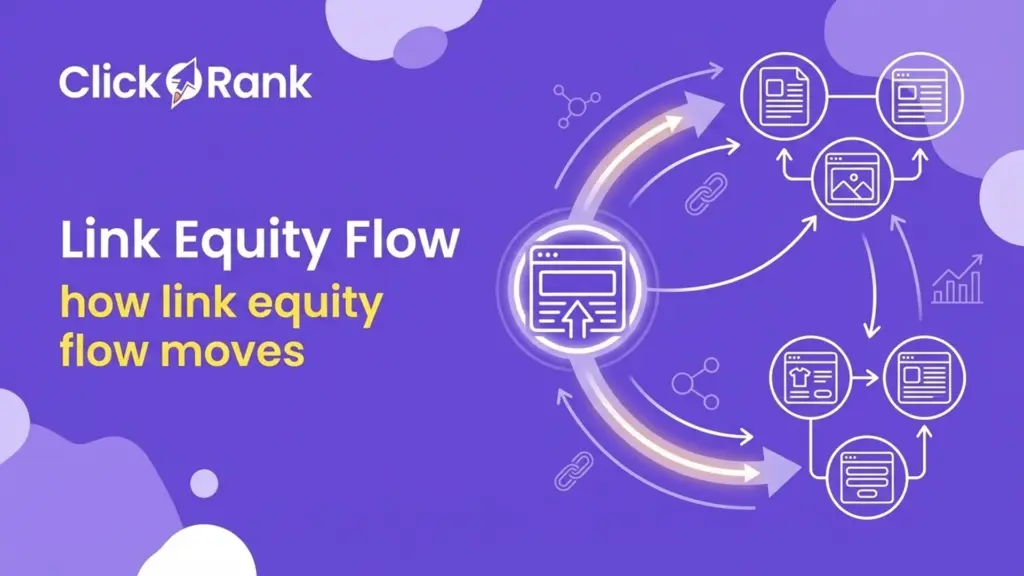
Links pass authority between pages in a process often called “link equity” or “link juice.” When a page with a high trust score links to your page, a portion of that trust flows directly to you.
[Table: How Authority Transfers via Links]| Source Type | Trust Level | Impact on Your SEO |
| Government (.gov) or Edu (.edu) | Extremely High | Massive boost to credibility |
| Major News Outlets | High | Strong signal of public relevance |
| Niche Industry Blogs | Medium to High | Establishes specialized expertise |
| Unknown/Spammy Sites | Low/Negative | Can hurt your reputation |
This transfer helps search engines decide how much weight to give your content. If you are consistently receiving authority from trusted sources, your own Digital Trust Signals grow stronger, making it easier for your new pages to rank quickly.
Link Relevance and Context
Relevant links carry stronger trust signals than random ones. A link from a cooking blog to a software company doesn’t make much sense, but a link from a tech review site to that same software company is a powerful “vote” of confidence.
Search engines look at the text surrounding the link (anchor text) and the overall topic of the linking page. If the context matches your business, the trust signal is amplified. For example:
- Natural Context: An article about “Best SEO Tools” linking to an SEO service.
- Expert Alignment: A medical doctor’s blog linking to a health supplement study.
By keeping your Link Building relevant to your specific niche, you prove to search engines that you are a trusted authority in your specific field, rather than just a site trying to collect links for the sake of numbers.
Brand Authority and Trust Signals
Brand authority is the level of “fame” and reliability your business has earned in its specific industry. It is the result of consistently providing value and maintaining a professional image across the entire internet, not just on your own website.
Digital trust signals are essential for establishing credibility online. They help both users and search engines determine if a website is trustworthy. Here’s a simplified breakdown:
What Are Digital Trust Signals?
Digital trust signals are indicators that show your website is safe and reliable. They include:
- Technical Signals: Like having a secure HTTPS connection and fast loading times.
- Brand Signals: Such as a clear “About Us” page and active social media links.
These signals act like a badge of honor for your website, reassuring visitors that they can trust you.
Why Trust Matters in Search Rankings
Search engines prioritize trustworthy sites to protect users from misleading content. If your website lacks trust signals, it may be ranked lower, especially for sensitive topics like health or finance. Building trust involves:
- Providing accurate information.
- Ensuring your site is secure.
- Offering a good user experience.
The Relationship Between Trust and SEO
Trust and authority go hand in hand. Authority is about how important your site is, while trust is about how safe it is. When both are strong, your SEO efforts are more effective.
Why Digital Trust Signals Matter for SEO
Trust signals help search engines recognize your site as high-quality. If users stay on your site and engage with your content, it boosts your ranking potential.
Trust Influences User Confidence
Websites that appear trustworthy encourage users to stay longer and engage more. This leads to:
- Lower bounce rates.
- Higher click-through rates.
- Increased conversions.
Core Types of Digital Trust Signals
- Website Security Signals: Indicators like HTTPS encryption and clear privacy policies.
- Content Credibility Signals: Focus on expert authorship and factual accuracy.
- Link-Based Trust Signals: Quality backlinks from reputable sites enhance your trustworthiness.
By focusing on these signals, you can improve your website’s credibility and SEO performance.
Brand Mentions Across the Web
Search engines evaluate how often a brand is referenced, even when those references don’t include a direct link. These “implied links” or “unlinked brand mentions” tell an algorithm that people are talking about you in a real-world context.
When your brand name, “Digital Trust Signals,” or specific products are mentioned on high-traffic sites, it sends a powerful signal of relevance. Search engines use these mentions to:
- Verify Popularity: If many people talk about you, you are likely an important player in your field.
- Determine Sentiment: Algorithms can often tell if a brand is being mentioned positively or negatively.
- Connect Entities: Mentions help search engines understand that your website is connected to a real, physical business or expert.
Consistent Brand Presence
Strong brands often receive higher trust signals because they provide a predictable and professional experience everywhere they appear. Consistency is a key part of showing that your business is stable and reliable.
If your business information (like your name, address, and logo) is different on Facebook than it is on your website or Yelp, it creates “friction” and doubt. To maximize your Digital Trust Signals, you should ensure:
- Uniform NAP Data: Your Name, Address, and Phone number should be identical across all directories.
- Visual Consistency: Use the same high-quality logo and color palette to build instant recognition.
- Voice and Tone: Keep your messaging consistent so users feel they are dealing with the same professional team regardless of the platform.
Reputation and Media Citations
Media coverage strengthens perceived credibility more than almost any other signal. Being featured in a major newspaper, a popular industry magazine, or a local news segment provides a “stamp of approval” that is incredibly hard to replicate.
These citations act as high-level Digital Trust Signals because journalists and editors have high standards for who they feature. When a media outlet cites your data or interviews your CEO, they are sharing their own hard-earned authority with you. This type of exposure often leads to “viral” Link Building, where other smaller blogs see the media coverage and start linking to you as well. This creates a snowball effect of trust that can keep your website at the top of search rankings for years.
Entity Trust Signals and Modern Search
Search engines increasingly understand entities instead of just keywords, shifting from “strings” to “things.” In the past, Google mostly looked for matching words on a page, but today’s AI-driven algorithms aim to understand the world like a human does—recognizing people, places, and brands as unique objects.
By focusing on Digital Trust Signals through an entity-based lens, you make your site much easier for search engines to verify. Instead of just hoping a keyword ranks, you are building a “digital identity” that search engines can map. This is a crucial part of modern Link Building because a link from one trusted entity (like a famous CEO) to another (your brand) carries much more weight than a link between two anonymous websites.
What Are Entities in Search?
Entities represent identifiable things such as people, brands, or organizations. They are the “nouns” of the internet. An entity is unique and distinct; for example, “Apple” the tech company is a different entity than “apple” the fruit.
When you define your brand as a clear entity, you provide strong Digital Trust Signals. You do this by:
- Using Schema Markup (code that tells search engines exactly who you are).
- Having a verified Google Business Profile.
- Creating a detailed “About Us” page that lists your founders and history.
By making it easy for an algorithm to identify your brand as a specific entity, you reduce the “guesswork” for search engines. This clarity leads to better rankings because the engine knows exactly what you are an authority on.
Knowledge Graph Connections
Search engines map relationships between entities using a massive database called the Knowledge Graph. It tracks how different entities are connected for instance, which author writes for which publication, or which parent company owns which brand.
When you engage in Link Building, you are essentially creating a new line in this graph. If your website (Entity A) is frequently mentioned alongside a trusted industry expert (Entity B), search engines begin to associate your brand with that expert’s high trust level. These connections are the ultimate Digital Trust Signals because they are based on a network of verified facts rather than just the words on your page.
Entity Authority and Trust
Entities with strong reputations gain higher trust signals because they have a proven track record across the web. If an entity is consistently cited as a source of truth, its “trust score” rises, making every piece of content it publishes more likely to rank well.
To build entity authority, you should:
- Be consistent: Ensure your brand name and details are the same everywhere.
- Get cited: Seek mentions on Wikipedia, LinkedIn, and major industry databases.
- Show expertise: Have your content written or reviewed by recognized experts in your field.
This level of authority acts as a permanent boost for your SEO. Unlike keywords, which can change in popularity, a trusted entity remains a powerful asset. By aligning your Digital Trust Signals with your brand’s entity profile, you create a foundation of credibility that search engines can rely on for years to come.
How to Improve Digital Trust Signals
Improving your Digital Trust Signals is a practical process that involves cleaning up your website and expanding your footprint across the web. It is about proving to both algorithms and humans that you are exactly who you say you are.
When you focus on these improvements, you create a “trust safety net” for your website. This ensures that when you invest in Link Building, the authority you gain lands on a solid foundation. If your site looks professional and provides clear evidence of its legitimacy, search engines will be much more comfortable rewarding you with higher rankings.
Publish Expert-Level Content
High-quality content improves credibility because it demonstrates that you truly understand your industry. If your articles are shallow or full of errors, users will bounce, and search engines will flag your site as low-quality.
To create expert-level content, you should:
- Cite Your Sources: Link to studies, white papers, or official statistics to back up your claims.
- Showcase Experience: Use real-world examples and case studies that only an expert would know.
- Prioritize Depth: Answer the user’s questions thoroughly rather than just hitting a word count.
By consistently providing value, you turn your website into a Digital Trust Signal itself. This makes other high-authority sites more likely to link to you naturally.
Earn High-Authority Backlinks
Links from trusted websites strengthen authority by acting as a “vote of confidence” from established leaders. In the world of SEO, who you associate with matters just as much as what you say.
Focusing on quality over quantity is the golden rule of Link Building. A single link from a well-respected government or educational site provides more Digital Trust Signals than hundreds of links from unknown, low-quality directories.
Improve Website Transparency
Provide clear contact information and author details to show that there are real people behind the screen. Anonymity is often a red flag for search engines, especially in sensitive niches like health or finance.
You can improve transparency by:
- Creating Detailed Author Bios: Include photos, credentials, and links to the author’s social media profiles.
- Visible Contact Info: Make sure your physical address, phone number, and email are easy to find.
- Clear Legal Pages: Ensure your Privacy Policy and Terms of Service are updated and linked in the footer.
These small changes are powerful Digital Trust Signals that tell a search engine your business is accountable and legitimate.
Build a Positive Online Reputation
Encourage reviews and brand mentions to show that real customers are happy with your work. Your reputation lives outside of your website, and search engines are constantly listening to what the rest of the web has to say about you.
To boost your reputation, you should:
- Claim Your Profiles: Manage your brand on Google Business, Yelp, and Trustpilot.
- Respond to Feedback: Engage with both positive and negative reviews professionally.
- Monitor Mentions: Use tools to see where people are talking about your brand and join the conversation.
When search engines see a pattern of positive feedback and active engagement, they view your brand as a safe bet. This collective evidence of trust is one of the strongest Digital Trust Signals you can build for long-term SEO growth.
Common Mistakes That Damage Trust Signals
Building a solid reputation takes months of hard work, but a few critical errors can destroy it in days. When you send mixed messages to search engines, they often default to caution and lower your rankings to protect their users.
Avoiding these pitfalls is just as important as implementing positive Digital Trust Signals. If your site triggers “red flags,” search engines will view your Link Building efforts as an attempt to manipulate the system rather than a genuine sign of growth. Protecting your credibility means being diligent about the technical and editorial standards of your entire digital presence.
Low-Quality Link Building
Spammy links weaken credibility because they suggest that a website is trying to “trick” the algorithm rather than earn its place. Search engines are now highly skilled at identifying patterns of unnatural link growth.
Common mistakes include:
- Buying Cheap Link Packages: Getting hundreds of links from “link farms” or irrelevant sites.
- Automated Comment Spam: Leaving links on random blogs and forums.
- Irrelevant Placements: Having a car repair shop linked from a pet grooming blog.
When your backlink profile is filled with low-quality sources, it cancels out the positive Digital Trust Signals you’ve worked to build. It tells search engines that reputable sites aren’t talking about you, which significantly harms your authority.
Thin or Inaccurate Content
Weak content reduces perceived expertise and leads to high “pogo-sticking,” where users click on your site and immediately hit the back button. If your pages don’t provide real answers, they act as a negative signal to search engines.
Inaccurate content is even more dangerous. Providing outdated or false information is a major violation of Digital Trust Signals. Search engines prioritize safety; if they find your content is potentially harmful or factually wrong, they will quickly remove your site from the top results.
Thin Content vs Authoritative Content
| Feature | Thin Content | Authoritative Content |
| Primary Goal | Filling space or targeting a keyword. | Solving a problem or providing insight. |
| Depth | Surface-level, brief, or repetitive. | Comprehensive, nuanced, and detailed. |
| Originality | Often “scraped,” spun, or generic. | Contains original research, data, or unique perspective. |
| User Value | Low; leaves the reader with more questions. | High; satisfy the user’s “search intent.” |
| Trust Factor | Minimal; often lacks citations or expert backing. | High; demonstrates E-E-A-T (Experience, Expertise, Authoritativeness, Trustworthiness). |
| SEO Impact | Risk of “Thin Content” penalties; high bounce rates. | Higher rankings, more backlinks, and better dwell time. |
| Longevity | Short-lived; easily replaced by better content. | “Evergreen” potential; stays relevant longer. |
Poor Website Security
Lack of HTTPS or basic security features lowers trust for both humans and bots. Most modern browsers now display a “Not Secure” warning for sites without an SSL certificate, which kills user confidence instantly.
A lack of security signals suggests that:
- The site is abandoned: No one is maintaining the technical health of the page.
- User data is at risk: Credit card info or emails could be stolen.
- The site is prone to malware: Search engines may black-list sites that are easily hacked.
Without basic security, your Link Building and SEO strategies are essentially built on sand. Ensuring your site is secure is the most fundamental Digital Trust Signal you can provide, as it serves as the gatekeeper for all other ranking factors.
Common Mistakes That Damage Trust Signals
Building a solid reputation takes months of hard work, but a few critical errors can destroy it in days. When you send mixed messages to search engines, they often default to caution and lower your rankings to protect their users.
Avoiding these pitfalls is just as important as implementing positive Digital Trust Signals. If your site triggers “red flags,” search engines will view your Link Building efforts as an attempt to manipulate the system rather than a genuine sign of growth. Protecting your credibility means being diligent about the technical and editorial standards of your entire digital presence.
Low-Quality Link Building
Spammy links weaken credibility because they suggest that a website is trying to “trick” the algorithm rather than earn its place. Search engines are now highly skilled at identifying patterns of unnatural link growth.
Common mistakes include:
- Buying Cheap Link Packages: Getting hundreds of links from “link farms” or irrelevant sites.
- Automated Comment Spam: Leaving links on random blogs and forums.
- Irrelevant Placements: Having a car repair shop linked from a pet grooming blog.
When your backlink profile is filled with low-quality sources, it cancels out the positive Digital Trust Signals you’ve worked to build. It tells search engines that reputable sites aren’t talking about you, which significantly harms your authority.
Thin or Inaccurate Content
Weak content reduces perceived expertise and leads to high “pogo-sticking,” where users click on your site and immediately hit the back button. If your pages don’t provide real answers, they act as a negative signal to search engines.
Inaccurate content is even more dangerous. Providing outdated or false information is a major violation of Digital Trust Signals. Search engines prioritize safety; if they find your content is potentially harmful or factually wrong, they will quickly remove your site from the top results.
Poor Website Security
Lack of HTTPS or basic security features lowers trust for both humans and bots. Most modern browsers now display a “Not Secure” warning for sites without an SSL certificate, which kills user confidence instantly.
A lack of security signals suggests that:
- The site is abandoned: No one is maintaining the technical health of the page.
- User data is at risk: Credit card info or emails could be stolen.
- The site is prone to malware: Search engines may black-list sites that are easily hacked.
Without basic security, your Link Building and SEO strategies are essentially built on sand. Ensuring your site is secure is the most fundamental Digital Trust Signal you can provide, as it serves as the gatekeeper for all other ranking factors.
Digital Trust Signals in AI-Driven Search
Search engines increasingly use AI to evaluate content credibility and filter through the massive amount of data generated every day. As AI models like Google’s Gemini and Search Generative Experience (SGE) become more prominent, the way they “read” your site has changed.
In an AI-driven world, Digital Trust Signals act as the training data for the algorithm. AI doesn’t just look for keywords; it looks for patterns of reliability and factual accuracy. If your site is frequently cited by other leaders in your field, the AI recognizes you as a primary source of truth. This makes Link Building even more critical, as AI models use high-quality backlinks to verify which websites are safe to include in their generated answers.
AI Systems Prioritize Trusted Sources
Generative search models favor authoritative websites because they need to ensure the summaries they provide to users are accurate. AI systems are programmed to avoid “hallucinations” or spreading misinformation, so they naturally gravitate toward sites with high trust scores.
When an AI evaluates your site, it checks for:
- Verified Facts: Information that matches other trusted databases.
- Expert Consistency: Whether your authors are recognized experts across the web.
- Technical Health: Secure sites that follow modern web standards.
By maintaining strong Digital Trust Signals, you increase the chances of your content being the “seed” information for AI-generated summaries, putting your brand at the very top of the search page.
Citation-Based Ranking Signals
AI often cites sources that demonstrate strong credibility directly within its answers. Unlike traditional search results that show a list of links, AI-driven search often provides a paragraph of text with footnotes or citations pointing to the original source.
These citations are the new “Gold Medal” of SEO. To earn them, your site must show:
- Original Research: Providing data that no one else has.
- Clear Attribution: Being easy for the AI to identify as the owner of the information.
- High Authority: Having a strong profile of Link Building from other cited entities.
Being cited by an AI is a powerful trust signal in itself, as it tells users that the most advanced technology on earth considers your website a reliable reference.
Future of Trust in Search
Trust signals will continue to play a central role in ranking systems as the internet becomes more crowded with AI-generated content. As it becomes easier for anyone to create “ok” content, search engines will put an even higher premium on content that is “verified” and “trusted.”
In the future, we can expect:
- Real-Time Trust Verification: Algorithms checking your credentials in real-time.
- Social Proof Integration: Deeper analysis of reviews and brand sentiment.
- Entity-Based Security: Trust tied to the specific identity of the brand and its experts.
Staying ahead of these trends means focusing on your Digital Trust Signals today. By building a reputation for honesty and expertise now, you are future-proofing your website against any changes in how search engines function.
Key Takeaways
Digital trust signals play a critical role in modern SEO by helping search engines distinguish between a reliable business and a low-quality website. In an era where authority and safety are top priorities, these signals are no longer optional; they are the foundation of any successful online strategy.
By focusing on your site’s reputation and technical health, you ensure that your Link Building efforts lead to lasting results. A website that prioritizes trust is more resilient to algorithm updates and more likely to convert visitors into loyal customers.
Key Insights:
- Trust Influences Search Rankings: Search engines prioritize websites that show clear signs of security and legitimacy to protect their users.
- Backlinks Strengthen Credibility: High-quality links act as digital endorsements, passing authority and trust from one site to another.
- Content Expertise Builds Authority: Deep, factual, and expert-led content proves to both AI and humans that you are a leader in your field.
- Reputation Signals Reinforce Trust: Mentions, reviews, and media coverage across the web create a “digital footprint” that verifies your brand’s existence.
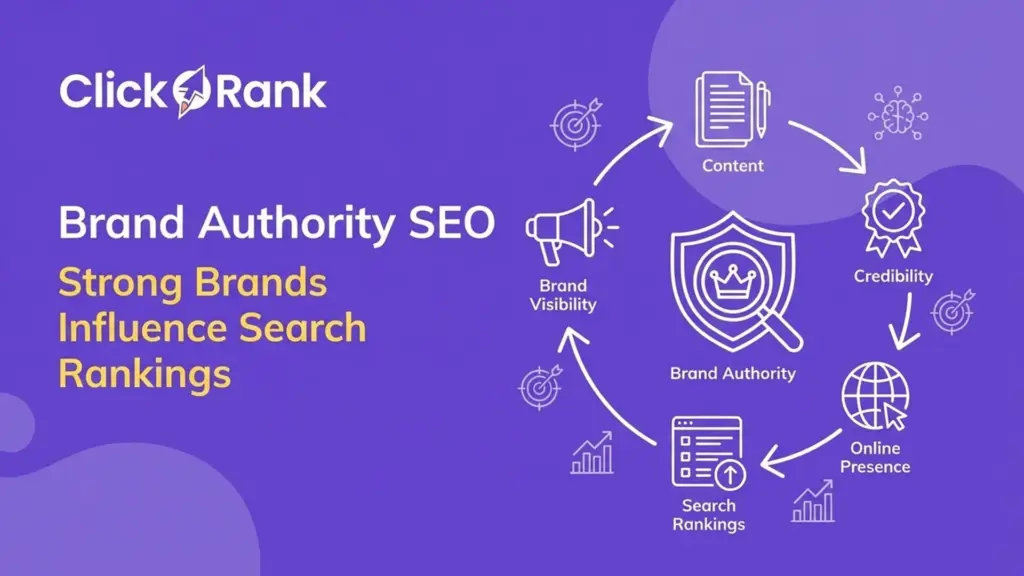
- Strong Brands Often Receive Higher Visibility: Consistency in your brand presence leads to higher trust scores, making it easier to rank for competitive keywords.
Focusing on these Digital Trust Signals will help you build a sustainable and authoritative presence that search engines feel confident recommending.
Don’t let missing trust markers or technical errors pull down your rankings. Use our platform to spot security gaps and fix your metadata in seconds so your business looks production-ready.
What are digital trust signals in SEO?
Digital trust signals are indicators that help search engines determine whether a website is credible, reliable, and authoritative. These signals can include secure website infrastructure, high-quality backlinks, transparent ownership, and consistent brand reputation across the web.
Why are digital trust signals important for search rankings?
Search engines prioritize trustworthy websites because they aim to provide users with reliable information. Strong trust signals such as authoritative backlinks, quality content, and positive reputation help search engines determine which pages deserve higher rankings in search results.
How do backlinks act as trust signals?
Backlinks from reputable and relevant websites function as endorsements that signal credibility. Search engines treat these links as recommendations, which can strengthen a website’s authority and increase its ability to rank in search results.
What role does E-E-A-T play in digital trust signals?
E-E-A-T stands for Experience, Expertise, Authoritativeness, and Trustworthiness. These principles guide how search engines evaluate whether content is reliable and useful. Websites demonstrating strong E-E-A-T signals are more likely to gain visibility in search results.
What types of signals help build digital trust online?
Several signals contribute to digital trust, including HTTPS security, transparent contact information, strong backlink profiles, accurate content, and positive brand reputation across the internet. These indicators help search engines confirm that a website is legitimate and safe for users.
Can brand mentions influence trust signals in SEO?
Yes. Brand mentions and citations across reputable websites can strengthen credibility signals. When a brand is referenced frequently by trusted sources, search engines interpret this as evidence of reputation and authority.
How can a website improve its digital trust signals?
Websites can improve trust signals by publishing expert content, earning backlinks from reputable sites, using secure HTTPS infrastructure, and maintaining transparent author and contact information. Consistent credibility signals help search engines recognize a website as a reliable source.