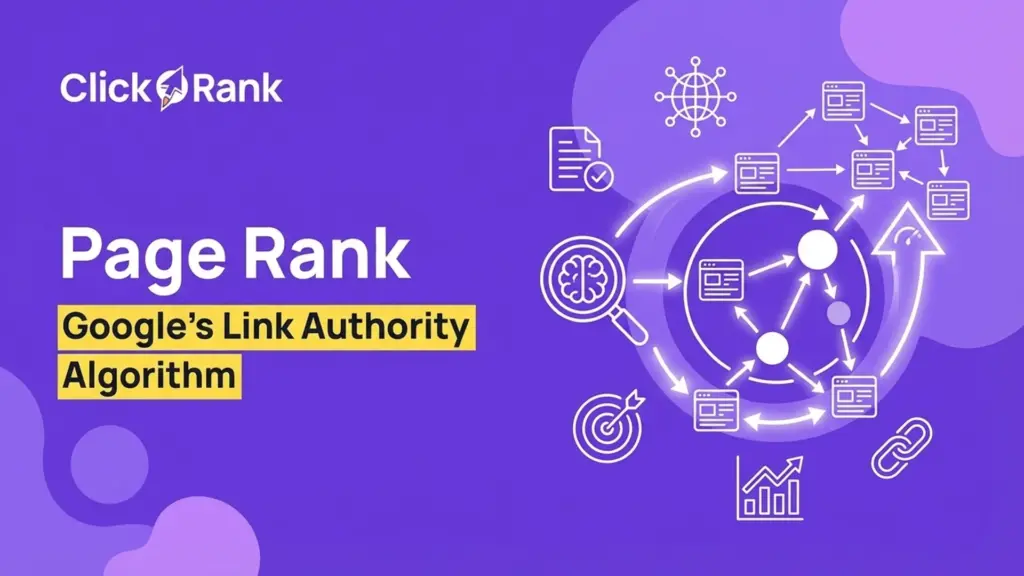
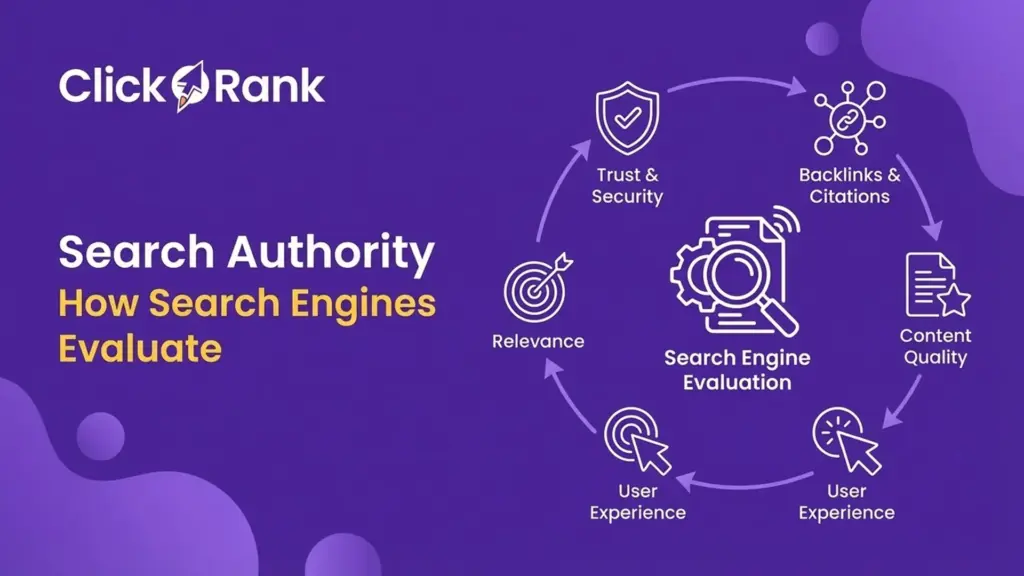
Search engines treat links as pathways of authority across the web.When one page links to another, it transfers a portion of its ranking power.This transfer of value is known as link equity flow .
Understanding how link equity moves through internal and external links is essential for building strong site architecture, improving rankings, and distributing authority across your content.
In this guide, you will learn how link equity works, what factors influence its flow, and how to structure links strategically to maximize SEO performance.
What Is Link Equity Flow?
Link equity flow is the process of search engine ranking power moving from one webpage to another through hyperlinks. Think of it like a digital “vote of confidence” that tells search engines a specific page is trustworthy and valuable.
When a high-quality site links to your page, it passes along a portion of its own authority. This transfer is what SEOs often call “link juice.” However, not all links are equal; the amount of value passed depends on the linking page’s relevance, its own authority, and whether the link is set to “follow.” Managing this flow is a core part of any successful Link Building strategy. If you structure your internal links correctly, you can direct this power to the pages that need it most.
Link Equity as a Ranking Signal
Search engines use links to measure the importance and “popularity” of a webpage within the vast ocean of the internet. By analyzing which pages point to each other, algorithms can determine which content is a definitive source of information.
This concept started with PageRank , an early Google algorithm that treated every link as a vote. While the web has changed, the core idea remains: the more quality “votes” a page gets, the higher it usually ranks. Today, link equity flow isn’t just about the number of links, but also the quality and trustworthiness of the source. Search engines look at the entire network of links to decide if your content deserves a spot on the first page.
Why Link Equity Matters in Modern SEO
Link equity is crucial because it helps search engines determine the credibility and ranking potential of your website in a crowded market. Even the best content can struggle to rank if it doesn’t have enough authority signals to prove it is reliable.
By effectively managing how equity moves through your site, you ensure that your “money pages” receive the boost they need to compete. High equity signals tell Google that your site is an expert in its niche, which directly impacts your ability to rank for difficult keywords. Without a healthy flow of equity, your site might have great information that stays hidden from users because it lacks the “backbone” of authority.
How Link Equity Flow Works Across the Web
Link equity flow happens when a source page shares its ranking power with a target page through a clickable link. It is the movement of trust and authority throughout the internet’s infrastructure.
Search engines view each link as a signal that the destination page contains relevant or high-quality information. When a page with high authority links out, it acts like a bridge, allowing a portion of its “reputation” to cross over to the new page. This flow is not a one-time event; it is a constant, dynamic process that updates every time search engines crawl the web. Understanding how this power moves is essential for any Link Building campaign, as it helps you decide which pages to prioritize for growth.
The Web as a Link Graph
The internet is organized as a massive “link graph,” where every individual webpage acts as a node and every hyperlink acts as a connection between them.
In this graph, search engines map out how pages are related to one another. Pages with many high-quality connections are seen as “central hubs” of information. When you visualize the web this way, link equity flow becomes the current that runs through these connections. If a page is isolated with no links pointing to it, it sits on the edge of the graph with no authority. By building links, you move your pages toward the center of the graph where the most ranking power circulates.
Authority Transfer Between Pages
Authority transfer occurs when a “sender” page validates a “receiver” page by including a hyperlink. This transfer is the practical application of how search engines calculate a page’s worth.
Think of it like a professional recommendation. If a famous scientist recommends a student’s paper, that paper instantly gains credibility. Similarly, when a high-authority website links to your blog post, it passes a “ranking boost” to your URL. The amount of authority transferred depends on the sender’s own strength and how many other links are on that same page. If a page links to 100 different sites, the link equity flow to each one is much smaller than if it only linked to two.
Internal vs External Link Equity Flow
The difference between internal and external flow lies in whether the authority is being brought into your site or distributed within it.
- External Link Equity: This is authority gained from “backlinks” coming from other websites. It is the primary way your site grows its total power.
- Internal Link Equity: This is how you share that “backlink power” among your own pages.
While external links increase your site’s overall “bucket” of authority, internal links ensure that the bucket doesn’t just sit in one place. By linking from your high-traffic homepage to a new service page, you are manually directing the link equity flow to where it is needed most. This helps search engines find and rank your deep-level content faster.
The Role of PageRank in Link Equity Flow
PageRank is the foundational algorithm that first defined how link equity flow works on the modern web. It was developed by Google’s founders to move away from simple keyword counting and instead focus on the relationship between websites.
The core idea is that a link is a vote of quality. However, PageRank added a layer of sophistication: a vote from a highly trusted page is worth much more than a vote from an obscure one. This created a system where the “prestige” of a website could be mathematically calculated and passed along. In any Link Building strategy, understanding this flow is the difference between getting stuck on page ten and hitting the top of the search results.
Understanding PageRank
Google originally used PageRank as its primary way to sort the web by importance. It treated the entire internet as a giant map of interconnected documents.
Before this, search engines were easily manipulated by people repeating words over and over. PageRank changed the game by looking at “who links to whom.” If a page had many high-quality links pointing to it, it earned a high PageRank score. This score then became the “reservoir” of power that the page could share with others. While the exact score is no longer public, the logic of link equity flow remains the heartbeat of how Google understands which content actually matters.
How PageRank Calculates Link Value
The logic of PageRank calculation is based on a simple but strict rule: a page’s total power is divided among all the links it sends out.
Imagine a page has a “power level” of 10. If that page links to only one other site, that site receives a massive boost of link equity flow . However, if that same page links to 100 different websites, each of those sites only receives a tiny fraction of that power. This is why SEO experts prefer a single link from a focused, high-authority resource over dozens of links from “link farms” or pages that link out to everyone. The value is diluted as the number of outgoing links increases.
Why PageRank Still Influences SEO
Even though search engines now use hundreds of different ranking signals, the underlying principles of PageRank still heavily influence modern SEO.
Today’s algorithms are much better at spotting spam, but they still rely on link-based authority signals to verify credibility . Modern link equity flow isn’t just about a math formula; it’s about “topical authority.” A link from a tech site to a tech blog carries more weight than a link from a cooking site to a tech blog. Even as AI and user experience become more important, the “vote” passed through a link remains the most reliable way for a search engine to confirm that your website is a leader in its field.
Types of Links That Influence Equity Flow
The way link equity flow moves across the web depends heavily on the “tags” or attributes attached to a hyperlink. Not every link acts as a wide-open gate for ranking power; some act as filters or even dead ends.
Understanding these technical labels is a vital part of Link Building . If you spend time earning links that don’t actually pass power, your rankings won’t budge. Search engines use these link types to understand the relationship between two websites and to decide if a “vote” should actually count toward a page’s authority score. By categorizing links, Google can better identify which connections are natural editorial endorsements and which are simply functional or promotional.
Dofollow Links
A dofollow link is the standard type of hyperlink that allows link equity flow to pass freely from one page to another. It tells search engine crawlers to follow the link and give credit to the destination page.
Most links you create naturally are dofollow by default. When a reputable site links to you this way, it is essentially saying, “I trust this content and want to share my reputation with it.” In the world of SEO, these are the “gold standard” because they directly contribute to increasing your PageRank and overall search visibility. Without dofollow links, it is nearly impossible to build the high-level authority needed to rank for competitive keywords.
Nofollow Links
A nofollow link uses a specific tag ($rel=”nofollow”$) to tell search engines not to pass ranking power or link equity flow to the destination URL.
Google introduced this attribute to help website owners link to pages without necessarily “vouching” for them. For example, if you link to a competitor to show an example of what not to do, you might use a nofollow tag so you don’t accidentally help them rank higher. While these links don’t pass direct equity, they are still useful for driving actual human traffic to your site. However, from a purely technical SEO standpoint, they do not “boost” your page’s authority in the same way a standard link does.
Sponsored and UGC Links
In recent years, search engines introduced Sponsored (rel=”sponsored”) and UGC (rel=”ugc”) tags to more accurately categorize how link equity flow should be handled.
- Sponsored Links: These are used for advertisements or paid placements. Google prefers that paid links do not pass equity to prevent people from simply “buying” their way to the top of search results.
- UGC (User Generated Content) Links: These are applied to links found in comments or forum posts. Since the site owner didn’t personally place the link, search engines treat them with more caution.
Using these tags correctly helps search engines understand that a link isn’t a “shady” attempt to manipulate rankings, but rather a transparent part of how your site functions.
Section completed. Send the next heading.
Factors That Influence Link Equity Flow
The amount of power a page receives depends on several key factors. Not all link equity flow is created equal, as search engines look at the quality and context of the connection.
Think of it like getting a recommendation. A tip from an expert in the field carries much more weight than a random comment from a stranger. Search engines use specific criteria to “score” how much ranking power should actually move from one page to another. If these factors align, the boost to your rankings can be significant. If they don’t, the link might provide very little value to your SEO efforts.
Authority of the Linking Page
The starting “strength” of the page giving the link is the biggest factor in link equity flow . High-authority pages have more power to share.
If a page has high PageRank and many quality links pointing to it, its own “reservoir” of equity is full. When that page links to you, it passes a much larger slice of authority than a brand-new page with no history. This is why getting a single link from a major news site or a top-tier industry resource is often more valuable than getting fifty links from small, unknown blogs. The richer the source, the stronger the flow.
Topical Relevance
For link equity flow to be truly effective, there must be a logical connection between the two pages. Search engines prioritize links that make sense for the user.
If a website about “Mountain Biking” links to a page about “Bike Helmets,” the relevance is high, and the signal sent to search engines is very strong. However, if a “Cooking Recipe” blog links to a “Software Development” tool, the flow of equity is much weaker. Search engines view relevant links as more “natural” and trustworthy. Staying within your niche ensures that the authority you gain actually helps you rank for the terms that matter to your business.
Anchor Text Signals
Anchor text is the clickable word or phrase used in a hyperlink. It acts as a label that helps search engines understand the topic of the destination page.
When the anchor text matches the topic of your page, it clarifies the link equity flow . For example, using the phrase “organic gardening tips” as a link tells search engines exactly what the linked page is about. This helps the algorithm categorize your content more accurately. However, it is important to keep these labels natural. Overusing exact keywords can look like spam, so a mix of descriptive and branded anchor text is usually the best approach.
Link Placement
Where a link sits on a page significantly impacts how much link equity flow it carries. Search engines give more weight to links that users are actually likely to click.
Links placed within the main body of an article (contextual links) are considered the most valuable. These are seen as part of the actual content and a genuine recommendation. On the other hand, links hidden in the footer or tucked away in a sidebar carry much less power. These areas are often used for site-wide navigation or ads, so search engines treat them as “low-value” zones that don’t pass as much ranking strength.
The Link Dilution Effect
The link equity flow from a single page is not an infinite resource. Instead, it acts like a fixed pool of power that must be shared among all the outgoing connections on that page.
Think of a page’s authority like a gallon of water. If you pour that water into one bucket, the bucket gets a lot of “juice.” But if you try to fill fifty different cups with that same gallon, each cup only gets a tiny sip. Understanding how this power is spread out helps you make better decisions about where to place your most important links to get the best results.
How Link Equity Gets Divided
When a search engine calculates link equity flow , it looks at the total number of outbound links on the source page and divides the available authority among them.
If a high-authority page has only three links, each of those three pages receives a massive boost in ranking power. However, if that same page adds ten more links, the original three links suddenly become less powerful. The “math” behind the scenes ensures that no single page can pass 100% of its power to 100 different places. This division happens automatically, which is why a link from a “resource list” with hundreds of entries is often much weaker than a link from a dedicated guest post.
Too Many Links Reduce Authority Per Link
The concept of dilution means that as you add more links to a page, you are effectively watering down the link equity flow for everyone involved.
Pages that are cluttered with dozens of links often called “link farms” or overcrowded directories offer very little SEO value. Search engines may even view pages with an excessive number of outbound links as low-quality or spammy. For your own website, having too many internal links on a single page can prevent your most important content from getting the authority it needs to rank. It is always better to have a few strong, meaningful connections than a mess of weak ones.
Strategic Link Placement
To maximize link equity flow , you must be selective about which pages you link to and where those links are placed on the page.
Strategic placement involves identifying your “power pages” and ensuring they only link out to high-priority content. By keeping the number of outbound links low on your most authoritative pages, you ensure that the “juice” being passed is as concentrated as possible. This focused approach helps search engines understand which pages are your most important assets. Careful selection prevents your site’s internal power from leaking away into low-value pages that don’t help your business grow.
Internal Linking and Link Equity Distribution
Internal linking is the most effective way for a website owner to control link equity flow manually. It allows you to take the power your site has earned from external sources and spread it to the pages that need it most.
Without a solid internal structure, your “ranking juice” might get stuck on your homepage or a few popular blog posts. By creating a deliberate path between your pages, you tell search engines which parts of your site are the most important. This internal network acts like a series of pipes, moving authority from high-performing areas to your newer or more competitive content.
Internal Links as Authority Pathways
Internal links act as the primary highways for link equity flow within your own domain. They allow search engine crawlers to navigate your site and understand its structure.
When you link one page to another, you are essentially “sharing the wealth” of that page’s ranking power. If your homepage has a high authority score, an internal link from the homepage to a service page creates a direct pathway for that authority to travel. This doesn’t just help with rankings; it also helps search engines discover new content faster. A well-connected site ensures that every page has a chance to benefit from the overall strength of the domain.
Strengthening Important Pages
You can use link equity flow to strategically boost your “money pages” those that drive leads or sales by linking to them from your most powerful content.
Every website has a few pages that naturally attract more backlinks, such as a viral blog post or a comprehensive guide. These pages become “authority hubs.” By adding a link from one of these hubs to a product page, you pass a concentrated dose of ranking power to that product page. This is a common SEO tactic to help specific URLs climb the search results without needing to wait for new external backlinks. It turns your existing success into a tool for future growth.
Preventing Orphan Pages
An “orphan page” is a page that has no internal links pointing to it, meaning it sits outside the natural link equity flow of your website.
Orphan pages are a major problem because search engines find it very difficult to crawl or rank them. Since no other page is “voting” for them, they receive zero authority from within your site. By maintaining a healthy internal linking habits, you ensure that every piece of content is connected to the rest of the site. This prevents valuable pages from being ignored by Google and ensures that even your deepest sub-pages receive enough equity to be discoverable by users.
External Backlinks and Equity Acquisition
External backlinks are the primary source of link equity flow from the outside world into your website. Every time another domain links to yours, it acts as an entry point for new ranking power.
Think of your website as a battery. Internal links help move the existing charge around, but external backlinks are the charger that actually adds more energy to the system. Without a steady stream of equity from other reputable sites, your website’s total authority will remain stagnant. High-quality external connections are the most powerful signal to search engines that your content is a leader in its field.
How Backlinks Introduce New Authority
External links function as digital endorsements, signaling to search engines that an outside party finds your content valuable enough to reference.
When a third-party site links to you, it opens a valve for link equity flow to pour into your domain. This “vote” from an independent source carries significantly more weight than an internal link because you do not control the source. Search engines view these external citations as proof of your site’s real-world importance. The more diverse and reputable the sites linking to you, the more “trust” your website accumulates in the eyes of the algorithm.
High-Authority Backlinks vs Low-Quality Links
In the world of link equity flow , the quality of the source is far more important than the sheer number of links you have.
A single link from a world-class news outlet or a top-tier industry leader can pass more equity than hundreds of links from small, unknown blogs. In fact, “link quantity” can be a trap; search engines are smart enough to ignore or even penalize sites that have thousands of low-quality, spammy links. Focusing on high-authority sources ensures that the equity you acquire is “concentrated,” giving your pages a much stronger push toward the top of the search results.
Relevance and Trust Signals
A link from a trusted, relevant website does more than just pass power; it strengthens your site’s specific credibility within your niche.
Search engines look for “topical trust.” If you run a medical blog, a link from a respected university or a health organization provides a massive boost to your link equity flow because the source is a verified expert in that exact topic. This relevance tells Google that your content isn’t just popular, but also accurate and reliable. Building links from these “trust pillars” protects your site from algorithm updates and ensures your authority is built on a solid, professional foundation.
Redirects and Link Equity Flow
Redirects are digital road signs that tell search engines and users that a page has moved to a new location. When a URL changes, the link equity flow must be carefully redirected to the new destination to avoid losing years of built-up authority.
If you delete a page without a redirect, all the “link juice” it earned from external backlinks simply disappears. By using the correct type of redirect, you can ensure that the ranking power flows seamlessly to the new URL. This process is a critical part of site maintenance, especially during migrations or content updates, as it prevents your search engine rankings from dropping when your site structure changes.
301 Redirects
A 301 redirect is a permanent move that tells search engines the old URL is gone forever and has been replaced by a new one.
In terms of link equity flow , a 301 redirect is the most effective tool because it transfers nearly all the original page’s ranking power to the new destination. Google recognizes this as a permanent hand-off of authority. While there might be a tiny, negligible loss during the transition, a well-implemented 301 ensures that your new page inherits the trust and history of the old one. This makes it the standard choice for SEO when merging content or changing domain names.
302 Redirects
A 302 redirect is a temporary move, signaling to search engines that the original page will eventually return to its initial URL.
Because it is labeled as “temporary,” search engines handle the link equity flow differently. Historically, 302 redirects did not pass any authority at all. While modern search engines have become better at eventually passing equity through a 302 if it stays in place long enough, it is still an inconsistent signal. Using a 302 when you actually mean to move a page permanently can confuse search engines and prevent the new page from ranking as high as it should.
Redirect Chains and SEO Risks
A redirect chain occurs when one redirected URL points to another redirected URL, creating a series of jumps before reaching the final destination.
These chains are a significant risk to your link equity flow for two main reasons. First, every “hop” in the chain can result in a small loss of authority, weakening the final page’s ranking potential. Second, long chains slow down page load speeds and can cause search engine crawlers to give up before they reach the end. To keep your authority flow strong, you should always aim for a one-to-one redirect that takes the user and the search engine directly to the final target in a single step.
Link Equity and Site Architecture
The way your website is built determines the natural path for link equity flow . A well-planned site architecture acts like a funnel, catching authority from external sources and pouring it into your most valuable sub-pages.
If your site is disorganized, ranking power gets trapped in “dead ends” where it can’t help your other content. By organizing your pages logically, you create a system where every new backlink benefits the entire site, not just one URL. Search engines reward websites that have a clear, organized structure because it makes it easier for them to understand which topics you are an expert in.
Hierarchical Site Structure
A hierarchical structure organizes content from broad to specific, creating a clear “top-down” path for link equity flow .
In this model, your homepage usually holds the most authority. From there, equity flows down into main category pages, and finally into individual articles or products. This “tree” shape ensures that authority is distributed evenly and logically. When your hierarchy is clean, search engines can easily pass ranking power down the branches, ensuring that even your deepest pages receive a small boost from the strength of your homepage.
Hub Pages and Content Clusters
The pillar-cluster model is a modern way to manage link equity flow by grouping related content together around a central “hub” or pillar page.
In this system, a comprehensive pillar page links out to several specific “cluster” articles, and those articles link back to the pillar. This creates a closed loop of authority. When one article in the cluster earns a backlink, the equity travels to the pillar page and then redistributes to all the other related articles. This strategy helps you dominate a specific topic by concentrating all your “link juice” within a single subject area.
Strategic Link Pathways
Strategic link pathways are intentional networks of links designed to guide link equity flow toward specific goals, such as ranking a high-competition keyword.
Instead of linking randomly, you map out exactly how authority should move across your site. For example, you might create a “bridge” from a high-traffic blog post directly to a conversion page that normally struggles to get backlinks. By designing these pathways, you take control of your site’s internal power. This ensures that your most important pages those that bring in revenue are always supported by a steady stream of ranking authority from your most popular content.
Link Equity and Topical Authority
Link equity flow is most effective when it moves between pages that share the same topic. When your links connect related ideas, search engines see your site as an expert source rather than just a collection of random pages.
Topical authority is built when you prove to search engines that you have covered a subject from every angle. By directing equity through a network of related content, you amplify the ranking power of each individual page. This creates a “thematic” strength that makes it much easier to rank for competitive terms within your specific niche.
Building Topic Clusters
Topic clusters are groups of related content that work together to capture link equity flow and signal deep expertise to search engines.
A cluster usually features one central “pillar” page that covers a broad topic and several “cluster” pages that dive into specific sub-topics. When these pages link to each other, they create a reservoir of authority that stays within that topic. If one page in the cluster gets a high-quality backlink, the equity spreads to the rest of the group. This structure ensures that your site’s ranking power isn’t scattered but is instead concentrated on proving you are a leader in that subject.
Semantic Connections Between Pages
Search engines use link equity flow to understand the semantic or meaning-based relationships between different parts of your website.
When you link a page about “Organic Soil” to a page about “Tomato Pruning,” you are building a semantic bridge. These connections tell search engines that these pages are part of the same “knowledge map.” The more relevant these connections are, the stronger the signal of authority becomes. By linking semantically related pages, you help the algorithm categorize your content accurately, which increases the chances of your site showing up for a wide variety of related search queries.
Internal Linking as a Topical Strategy
Using internal links as a topical strategy involves intentionally guiding link equity flow to reinforce the “subject matter” of your entire website.
Search engines reward sites that have a strong semantic network because it provides a better experience for the user. When you link between related articles, you aren’t just passing ranking power; you are providing a logical path for a reader to learn more. This strategy proves to Google that your site is a comprehensive resource. A well-linked topical network acts as a shield against algorithm updates, as your authority is rooted in the actual depth and relevance of your content rather than just a few isolated backlinks.
Link Equity in Modern Search Systems
As search engines evolve, the way they interpret link equity flow has become more sophisticated. It is no longer just about counting numbers; it is about understanding the “who” and “why” behind every connection.
Modern systems look at the context of a link to see if it represents a genuine relationship between two trusted sources. While the technical side of “link juice” still exists, it is now part of a much larger picture of digital reputation. Understanding how these advanced systems work helps you build a website that search engines recognize as a reliable authority in an increasingly complex digital world.
Entity-Based Search
Modern search engines focus on “entities” which are unique, well-defined people, places, or brands rather than just matching keywords on a page.
In an entity-based system, link equity flow acts as a validation of your brand’s existence and importance. When other established entities (like famous news sites or industry leaders) link to you, they are confirming to the search engine that you are a real and trusted entity in your field. This helps the algorithm build a “knowledge graph” where your site is connected to other authoritative sources. The stronger these entity-level connections are, the more likely you are to rank for broad, high-value search terms.
Brand Mentions and Authority Signals
Search engines have become smart enough to recognize brand mentions even when they don’t include a clickable link, though they treat them differently from standard link equity flow .
A brand mention acts as a “unlinked citation.” While it may not pass the same technical ranking power as a dofollow link, it still contributes to your overall authority and credibility. These mentions tell search engines that people are talking about you and that your brand is a relevant part of the conversation. When combined with traditional links, these signals create a “halo effect” of authority that proves your website is a popular and trusted destination for users.
AI-Driven Search and Authority Signals
Even with the rise of AI-driven search results, links remain the foundational “proof of quality” that AI systems use to verify the information they provide.
AI models are trained on massive amounts of data, and they prioritize information from sources that have high link equity flow . Because AI can sometimes generate incorrect information, it relies on the “web of trust” created by links to find facts that have been vetted by others. Links serve as the physical evidence of your site’s reliability. Even as the way we search changes, the authority passed through a link remains the most stable way to ensure your content is seen as a definitive answer by both humans and AI.
Common Link Equity Mistakes
Managing link equity flow requires a careful balance. Many website owners accidentally “leak” their ranking power or block it from reaching their most important pages by making simple structural errors.
If you don’t pay attention to how authority moves through your site, you might find that your best content never reaches the first page of search results. These mistakes are often invisible to the naked eye but can be easily spotted by search engine crawlers. By fixing these common issues, you can ensure that every bit of authority your site earns is used effectively to grow your visibility.
Excessive Outbound Links
One of the quickest ways to weaken your own site’s power is by having too many outbound links on a single page, which causes a “dilution” of link equity flow .
Every time you link to an external website, you are sharing a small portion of that page’s authority. If a page has hundreds of outbound links, the amount of equity sent to each one becomes almost zero. Furthermore, search engines may view a page with an unnatural amount of links as a “link farm” or a low-quality directory. To keep your authority concentrated, only link to external sites when it truly adds value for the reader, and keep your most important pages focused on your own content.
Weak Internal Linking
When a website has a weak internal linking structure, its most important pages often fail to receive the link equity flow they need to compete in search results.
This often happens when “money pages” or deep service pages are buried too far from the homepage. If a page is only reachable through several clicks and has very few internal links pointing to it, search engines won’t see it as a priority. You can have the best backlink profile in the world, but if that power isn’t directed inward toward your specific target pages, those pages will remain stagnant. A strong internal strategy ensures that authority is distributed where it can do the most good.
Low-Quality Backlinks
Acquiring a high volume of low-quality or spammy backlinks can actually backfire, as it sends negative trust signals that disrupt your link equity flow .
Search engines prefer quality over quantity. Links from “shady” neighborhoods of the internet like link networks, irrelevant forums, or automated comment sections do not pass valuable equity. Instead, they can trigger “spam” filters that tell search engines your site might be trying to cheat the system. This can lead to your site being suppressed in rankings. It is much better to have five high-quality links from trusted industry sources than five hundred links from websites that have no credibility or relevance to your niche.
How to Maximize Link Equity Flow
To get the most out of your SEO efforts, you need to actively manage how authority enters and moves through your website. Maximizing link equity flow isn’t just about luck; it’s about making smart choices with every link you create.
When you take control of this flow, you ensure that no ranking power is wasted. By focusing on quality and structure, you can turn a small amount of “link juice” into a powerful ranking signal. This proactive approach helps your site grow faster and stay ahead of competitors who might be building links without a clear plan.
Build High-Authority Backlinks
The first step in increasing your ranking power is to acquire links from highly credible and trusted websites. These external sources are the “fuel” for your link equity flow .
A single link from a respected news organization or a well-known industry expert can do more for your rankings than dozens of links from unknown blogs. Search engines trust these high-authority sites, so when they link to you, they pass a massive amount of “digital trust.” Focus your efforts on creating great content that these sites naturally want to reference. The higher the quality of your incoming links, the stronger the foundation of authority your entire site will have to work with.
Optimize Internal Linking
Once you have earned authority from external sources, you must use a logical internal linking structure to distribute that link equity flow across your own pages.
Internal links should be used to connect related topics and guide search engines to your best content. Use descriptive anchor text that tells the algorithm exactly what the next page is about. Avoid creating “dead ends” where a page has no links leading out to other parts of your site. By creating a well-connected web of content, you ensure that authority moves smoothly from your strongest pages down to your newest articles, giving everything a boost.
Prioritize Key Pages
Strategic linking means sending the most link equity flow to your “priority pages” the ones that are most important for your business goals or that have the highest ranking potential.
Not every page on your site needs the same amount of authority. You should identify your high-converting product pages or cornerstone blog posts and link to them frequently from your homepage and high-traffic articles. This tells search engines, “This specific page is a priority.” By focusing your internal power on these key URLs, you give them the extra strength they need to climb to the top of the search results and stay there.
Key Takeaways
Understanding link equity flow is essential for anyone looking to improve their website’s visibility. It is the invisible force that moves ranking power from one corner of the web to another, helping search engines decide which pages are the most trustworthy. By mastering the way this authority moves, you can turn a disorganized website into a high-ranking authority in your niche.
Managing this flow involves a mix of attracting outside power and distributing it wisely within your own walls. When you treat every link as a strategic decision rather than a random connection, your SEO efforts become much more effective.
- Link equity represents authority passed through links: Every hyperlink is a “vote” that transfers a portion of a page’s reputation to a new destination.
- Backlinks introduce external authority: Getting links from other websites is the primary way to bring new ranking power into your domain.
- Internal links distribute authority across pages: Use your own links to move “link juice” from your strongest pages to the ones that need a boost.
- Link relevance and quality determine ranking value: A single link from a high-quality, relevant source is worth more than hundreds of low-quality connections.
- Strategic linking strengthens SEO performance: By planning your site structure and link pathways, you can maximize the impact of every link you earn.
Link equity (often called ‘link juice’) is the authority and ranking value passed from one webpage to another through hyperlinks. When a high-authority page links to another page, some of its ranking power is transferred, helping the linked page improve visibility in search results.
Link equity flows through hyperlinks that connect webpages. When a page receives backlinks from other sites, it gains authority. That authority can then be distributed to other pages through internal links, allowing SEO value to spread across the website.
No. Only links that search engines can follow typically pass link equity. Links marked with attributes such as nofollow, sponsored, or ugc usually pass little or no ranking value because search engines treat them as non-endorsement signals.
Link equity is divided among all outbound links on a page. If a page links to many different pages, the authority it passes to each link becomes smaller. This concept is known as link equity dilution and influences how SEO value flows across a website.
Several factors determine how much equity passes through a link, including the authority of the linking page, topical relevance, link placement within content, anchor text, and whether the link is followable by search engines.
Internal links help distribute authority across a website. Pages that receive strong backlinks can pass some of their link equity to other important pages through internal linking, strengthening the overall site structure and improving ranking potential.
Permanent redirects (301 redirects) usually pass most of the original page’s link equity to the new URL. However, temporary redirects such as 302 may not pass the same level of authority because search engines treat them differently.What is link equity in SEO?
How does link equity flow between pages?
Do all links pass link equity?
Why does link equity get diluted?
What factors influence link equity flow?
How do internal links distribute link equity?
Do redirects pass link equity?