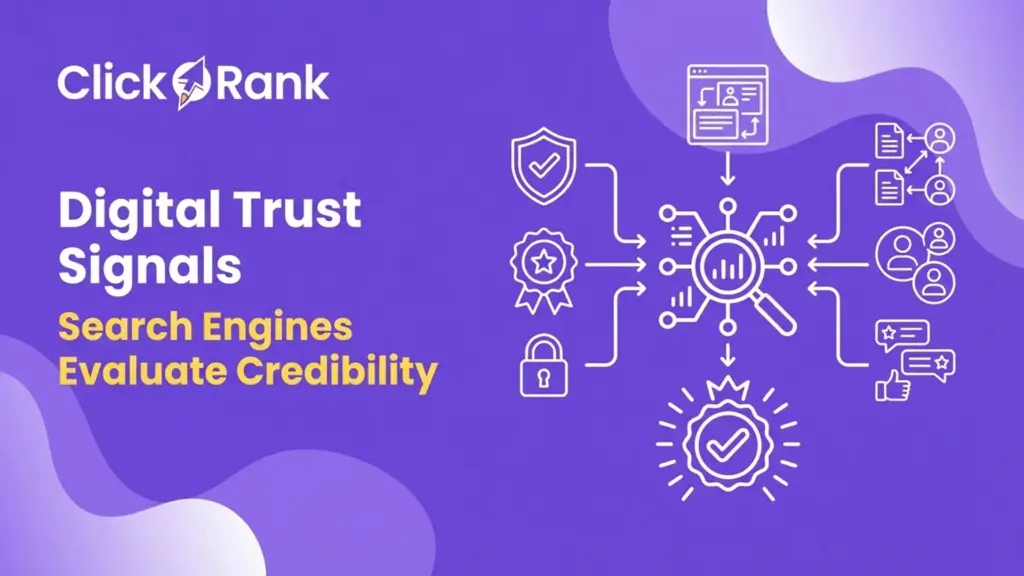
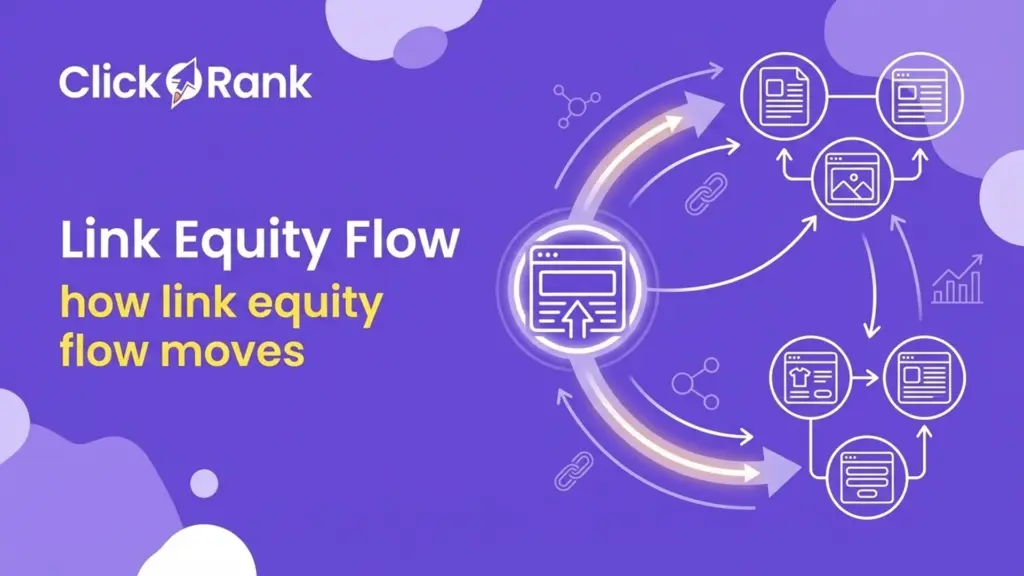
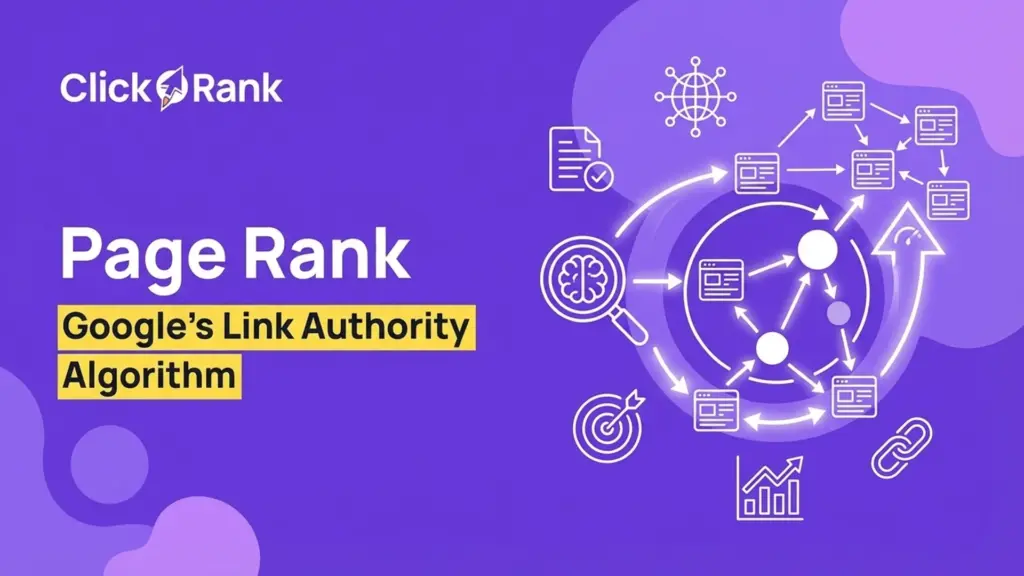
SEO is no longer driven only by backlinks and keywords. Modern search engines evaluate brand trust, recognition, and reputation before ranking websites. This concept is known as Brand Authority SEO. When a brand is frequently searched, mentioned, and trusted online, search engines treat it as a credible entity, which improves rankings across multiple queries. This guide explains what brand authority is, how Google evaluates it, and how businesses can build it strategically.
What Is Brand Authority in SEO?
Brand authority in SEO is the level of trust and credibility your business earns from both users and search engines like Google. It reflects how much of an “expert” your brand is considered to be within its specific niche or industry.
When you build brand authority, you aren’t just optimizing for keywords; you are building a reputation. Google uses various brand signals to determine if your site is a leader in its field. These signals include how often people search for your business by name and the quality of sites that mention you. High authority means that when you publish content, search engines are more likely to rank it quickly because they already trust your brand’s voice. This is a core part of brand reputation SEO, ensuring that your business is seen as a reliable source of information rather than just another website.
Why Brand Authority Matters
Brand authority SEO is essential because it transforms your website from a generic result into a go-to resource. It acts as a safety net for your rankings, making your site more resilient to algorithm changes.
- Improves search rankings: Google’s E-E-A-T brand authority guidelines (Experience, Expertise, Authoritativeness, and Trustworthiness) prioritize brands that show real-world influence.
- Builds long-term credibility: Users are more likely to buy from or follow a name they recognize. A strong brand presence reduces the “friction” in the customer journey.
- Increases click-through rates: Even if you aren’t in the #1 spot, a recognized brand name often gets more clicks than an unknown competitor because of the established trust.
- Attracts natural backlinks and mentions: Authoritative brands become “link magnets.” Other sites will naturally cite your data or opinions, which directly supports your Link Building strategy.
How Brand Authority Influences Search Rankings
Brand authority SEO works as a powerful ranking factor because it proves to Google that your website is a real-world entity with a loyal following. It bridges the gap between technical optimization and actual market reputation.
Search engines prioritize sites that demonstrate high levels of E-E-A-T brand authority. When your brand is frequently cited and searched for, it tells algorithms that your content is likely more accurate and helpful than a site with no reputation. This influence extends beyond just your primary keywords; a strong brand can often rank for new topics much faster than a new or unknown site. By focusing on brand reputation SEO, you create a digital footprint that search engines associate with quality, making your entire domain more competitive in crowded search results.
Branded Search Queries
Branded search signals are one of the strongest indicators of a healthy business. When users type your specific company name into a search bar, it tells Google that you are a destination, not just a random result.
High volumes of branded searches suggest that your marketing is working outside of just SEO. Google tracks these patterns to see if your brand is growing in popularity. If more people search for “[Your Brand] + [Product]” over time, it boosts your overall brand signals Google uses to rank your non-branded pages too. It shows that you have captured the “mindshare” of your audience, which is a key goal of any Brand Authority SEO strategy.
Brand Mentions Across the Web
Brand mentions SEO involves tracking how often your name appears on other websites, even if there isn’t a direct link. These “unlinked mentions” are digital citations that build your topical relevance.
When a news site or a popular blog discusses your brand, search engines pick up on that context. For example, if your brand is mentioned alongside terms like “best organic coffee,” Google learns to associate you with that niche. This builds brand authority in SEO by placing your business in the right “neighborhood” online. Consistent mentions across diverse, high-quality platforms prove that you are an active participant in your industry’s conversation.
High-Authority Backlinks
High-authority backlinks act as “votes of confidence” from other established leaders in your space. These links are the backbone of a successful Link Building campaign.
When a reputable site links to you, they are essentially vouching for your credibility. This is a major part of how you build brand authority quickly. One link from a top-tier industry publication can be worth more than a hundred links from low-quality, unknown blogs. These links pass “authority” to your domain, helping you climb the rankings for your target keywords while solidifying your status as a trusted expert.
User Engagement Signals
Strong brands naturally generate better user behavior data, which search engines use to validate their rankings. When people recognize your name in the search results, they behave differently than they would with a stranger.
- Higher CTR: Users are more likely to click on a brand they know and trust, even if it’s in the third or fourth position.
- Longer dwell time: Because the user already trusts the source, they are more inclined to stay and read the content thoroughly.
- Repeat visitors: A strong brand creates “fans” who return directly to the site, signaling to Google that the content provides lasting value.
Brand Authority vs Domain Authority
While they sound similar, Brand Authority SEO and Domain Authority (DA) represent two different ways to measure a website’s power. Domain Authority is a third-party metric (created by Moz) that predicts how well a website will rank based almost entirely on its link profile. Brand authority in SEO, however, is a broader concept that includes how much people actually trust and search for your name.
You can have a high Domain Authority because you bought many links, but still have zero brand recognition. Conversely, a new company might have a lower DA but incredibly high brand signals Google notices because everyone is talking about them on social media and searching for them by name. True success comes when you build brand authority alongside a strong technical SEO foundation, ensuring you are seen as both a technical powerhouse and a household name in your niche.
Key Differences
Understanding the distinction helps you prioritize your marketing efforts. While DA is about the “pipes” of the internet (links), brand authority is about the “reputation” of the business.
| Feature | Domain Authority (DA) | Brand Authority |
| Primary Metric | Strength of a website’s backlink profile | Recognition and trust across the web |
| Source | Calculated by SEO tools (like Moz or Ahrefs) | Perceived by users and search algorithms |
| Growth Driver | Link Building and technical SEO | PR, social proof, and branded searches |
| Goal | To outrank competitors for specific keywords | To become the “go-to” name in an industry |
Why Both Matter for SEO
To dominate the search results, you need a balance of technical strength and public trust. Brand authority SEO acts as a multiplier for your existing SEO efforts.
Websites with strong brand authority often experience better rankings even with fewer backlinks. This happens because Google’s E-E-A-T brand authority signals tell the algorithm that your site is a safe bet for users. If two sites have the same number of links, but one has thousands of brand mentions SEO tools can track and the other has none, the recognized brand will almost always win. By focusing on both, you ensure that your site is technically “findable” and your brand is personally “memorable.”
Core Signals That Build Brand Authority
To effectively build brand authority, you need to feed Google a consistent stream of data that proves your business is a leader. These signals aren’t just about one-off wins; they are about creating a digital footprint that screams “expert.”
Brand authority SEO is the result of a coordinated effort across content, PR, and technical optimization. When search engines see your brand mentioned in high-quality contexts or searched for by name, they register these as brand signals Google can trust. This collective evidence makes your website a “safe” choice to show users. By focusing on these core signals, you ensure that your brand reputation SEO remains strong, making it much harder for smaller, unknown competitors to take your rankings.
Consistent Brand Mentions
Brand mentions SEO refers to how often your business name appears across the web, even without a direct link. These “implied links” are massive clues for search engines.
If your brand is frequently mentioned on industry forums, social media, and news sites, it signals that you are a topic of conversation. This consistent presence helps establish your brand authority in SEO by showing that you have a real-world impact. It’s not just about quantity, though; being mentioned in the right places like top-tier industry blogs is what truly moves the needle.
Media and Digital PR Coverage
Getting featured in major publications is one of the fastest ways to skyrocket your E-E-A-T brand authority. Digital PR is about earning placements that put your brand in front of a massive audience.
When a high-authority news site writes about your company, it acts as a massive endorsement. This type of coverage often leads to a spike in branded search signals as new readers go to Google to find your website. These high-level mentions are a cornerstone of a professional Brand Authority SEO strategy because they are difficult for competitors to replicate.
Authoritative Backlinks
While mentions are great, links are still the “currency” of the internet. Securing links from sites with high trust scores is a critical part of your Link Building efforts.
A backlink from a university, a government site, or a leading industry publication carries more weight than dozens of links from small blogs. These links pass “trust” directly to your domain. This process helps you build brand authority by associating your site with other entities that Google already trusts implicitly.
Expert Content and Thought Leadership
To be an authority, you have to sound like one. Producing deep-dive guides, original research, and unique insights sets you apart from sites that just rewrite existing content.
Thought leadership content demonstrates your E-E-A-T brand authority by showing that you have unique expertise. When you provide value that others can’t, people naturally start to cite your work. This creates a cycle where your content earns more brand mentions SEO tools can track, further cementing your status as an industry leader.
Strong Brand SERP Presence
Your Brand SERP (Search Engine Results Page) is what people see when they search for your name. A “clean” and professional-looking result page is vital for brand reputation SEO.
A strong presence includes a Knowledge Panel, sitelinks, and positive reviews. When Google displays these features, it shows it has a clear “understanding” of who you are. These brand signals Google provides to users act as a visual stamp of approval, increasing trust and click-through rates for your most important branded queries.
How to Build Brand Authority SEO (Step-by-Step)
To build brand authority, you need a consistent strategy that proves your value to both humans and search engines. It isn’t a one-time task; it is an ongoing process of creating a digital footprint that screams “expert.”
Brand authority SEO is the result of aligning your content, PR, and user experience. When Google sees that users trust you and other experts cite you, your rankings naturally rise. By following a structured approach, you can turn a generic website into a recognizable industry leader. This process strengthens your brand reputation SEO and ensures that your brand signals Google tracks are always positive and authoritative.
Create Expert-Level Content
Publishing in-depth resources is the fastest way to demonstrate your E-E-A-T brand authority. You shouldn’t just summarize what others are saying; you need to provide unique value, data, or insights.
When you create content that solves complex problems, you become a go-to resource. This leads to more brand mentions SEO tools can track, as people will naturally reference your work. High-quality content is also the best way to earn links for your Link Building efforts, as authoritative sites only want to link to the best available information. Focus on “originality” to truly stand out.
Build Topical Authority Around Your Niche
Creating topic clusters helps search engines understand exactly what you are an expert in. Instead of writing random posts, you should cover every angle of a specific subject to reinforce your brand authority in SEO.
By grouping related articles together, you show that your knowledge is deep, not just wide. This structure makes it easier for Google to categorize your site as a leader in that specific niche. When you own a “topic,” your Brand Authority SEO grows because you become the most logical choice for search engines to show to users looking for comprehensive answers.
Earn Brand Mentions Through Digital PR
Digital PR is the art of getting your brand’s name into the news and onto high-traffic websites. Guest posts, interviews, and media features are powerful tools to strengthen your authority signals.
Every time a reputable journalist or blogger mentions your company, it acts as a massive “thumbs up” to search engines. These brand mentions SEO benefits are huge because they often come from sites that are already trusted. This exposure doesn’t just help with rankings; it puts your brand in front of new audiences, further helping you build brand authority through sheer visibility.
Encourage Branded Searches
Marketing campaigns that happen off-site like social media ads, podcasts, or email marketing can actually help your SEO. When these campaigns succeed, they lead to a spike in branded search signals.
If thousands of people start searching for your brand name every month, Google takes notice. It assumes that if people are looking for you specifically, you must be an authority. This is a core part of brand reputation SEO because it proves you have a loyal following. The more people search for you, the more “important” your site becomes in the eyes of the algorithm.
Build Social Proof
Reviews, testimonials, and industry awards are the ultimate “trust signals.” They provide the human element of E-E-A-T brand authority that search engines are increasingly looking for.
Google often looks at third-party review sites to see what people are saying about your business. Positive feedback and public accolades solidify your brand signals Google uses to verify your credibility. Showing off these wins on your site not only helps convert visitors but also tells search engines that your brand is a safe and highly-regarded choice for their users.
Role of Entity SEO in Brand Authority
In modern search, Brand Authority SEO is no longer just about keywords; it is about “entities.” Google’s algorithms have shifted from simply reading text to understanding the relationships between people, places, and things. When your brand is recognized as a distinct entity, search engines can better categorize your expertise and relevance.
By focusing on brand signals Google uses to identify entities, you move beyond being just a URL in a database. You become a “node” in a giant web of information. This transition is vital for brand reputation SEO because once Google defines you as an authority in a specific niche, it becomes much easier to rank for related terms. Entity-based SEO ensures that your brand name carries weight across the entire web, regardless of whether a specific page has a high number of backlinks.
Understanding Brand Entities
Search engines treat brands as entities in the knowledge graph, not just websites. An entity is a well-defined object or concept that Google can uniquely identify and understand.
When you build brand authority, you are essentially teaching Google’s “brain” who you are and what you do. Instead of seeing “Best Coffee Shop” as just a string of words, Google sees your brand as a specific entity that provides that service. This is why brand authority in SEO is so powerful; it provides a level of context that traditional SEO cannot match. It connects your brand to your products, your location, and your industry experts.
Knowledge Graph Recognition
Consistent brand information across the web helps search engines confirm your brand identity. This confirmation often leads to the creation of a Knowledge Panel the information box that appears on the right side of search results.
To earn this, you need to provide clear data through schema markup and verified profiles. This strengthens your E-E-A-T brand authority by giving Google a “single source of truth” about your business. When your brand is officially part of the Knowledge Graph, your branded search signals become much stronger. It proves to the algorithm that you are a legitimate, trustworthy organization with a verifiable history and purpose.
Entity Consistency Across Platforms
Consistency on platforms like social profiles, business directories, and industry registries strengthens your authority signals. If your name, address, and description vary across the web, it creates “entity ambiguity.”
To build brand authority effectively, you must ensure that your brand “footprint” is identical everywhere. Whether it is your LinkedIn company page, a mention in a Link Building guest post, or your Twitter bio, the details should match. This helps with brand mentions SEO because it allows Google to confidently attribute every mention to your specific entity. High consistency reduces “noise” and makes it easier for search engines to reward you for your widespread reputation.
Common Mistakes That Damage Brand Authority
Maintaining brand authority SEO is just as important as building it. Many businesses make the mistake of thinking authority is permanent, but search engines constantly re-evaluate your reputation based on fresh data. If your strategy becomes lazy or inconsistent, your brand signals Google tracks will begin to fade, leading to a drop in rankings.
Common mistakes often stem from a lack of focus on E-E-A-T brand authority. When you stop prioritizing quality and trust, you lose the “expert” status that keeps you at the top of the search results. Protecting your brand reputation SEO requires a proactive approach to content, engagement, and public perception. Avoiding these pitfalls ensures that your Link Building and content efforts continue to yield high returns over the long term.
Publishing Generic Content
One of the fastest ways to lose brand authority in SEO is to start publishing “filler” content that offers no unique value. If your articles look and sound exactly like everyone else’s, you aren’t an authority; you’re a commodity.
Generic content fails to demonstrate the “Experience” and “Expertise” parts of the E-E-A-T framework. To build brand authority, you must provide original insights, case studies, or data. When you stop leading the conversation and start merely repeating it, your brand mentions SEO value drops because other sites have no reason to cite or link to your work.
Ignoring Brand Mentions
Failing to monitor and engage with brand mentions SEO tools find is a missed opportunity for growth. Every time someone mentions your brand without a link, or asks a question about you on a forum, it is a chance to solidify your reputation.
Ignoring these signals can lead to a “stagnant” brand profile. By actively participating in discussions where your brand is mentioned, you show search engines and users that you are an active, responsive entity. This engagement strengthens your branded search signals and helps turn casual mentions into loyal followers and potential high-quality backlinks.
Weak Reputation Management
Negative reviews, unanswered complaints, and outdated information can severely damage your brand reputation SEO. Google looks at third-party sentiment to decide if a brand is still trustworthy.
If your “Brand SERP” is filled with unresolved customer issues, your brand signals Google receives will be overwhelmingly negative. Weak reputation management makes users hesitate to click, which lowers your CTR and signals to the algorithm that you might no longer be a top choice. Keeping a clean digital footprint is essential to protect the E-E-A-T brand authority you’ve worked hard to build.
Inconsistent Brand Messaging
Inconsistency across different platforms confuses both users and search engine algorithms. If your website says one thing but your social profiles and guest posts say another, it creates “entity ambiguity.”
To build brand authority effectively, your mission, expertise, and visual identity must be uniform. Inconsistent messaging makes it harder for Google to connect all your brand mentions SEO data to a single, powerful entity. This lack of clarity can dilute your authority and make it easier for more “consistent” competitors to overtake you in the rankings.
How to Measure Brand Authority
Measuring brand authority SEO isn’t as simple as checking a single number like a keyword rank. Because authority is about reputation and trust, you have to look at a combination of data points that show how both users and search engines perceive you.
To accurately track your progress as you build brand authority, you should monitor “off-page” signals. These indicators tell you if your brand is becoming a household name in your niche. High levels of E-E-A-T brand authority usually result in a “moat” around your rankings meaning even if a competitor has more technical SEO tweaks, your brand’s reputation keeps you on top. By consistently measuring these metrics, you can refine your brand reputation SEO strategy and ensure your brand signals Google receives are trending upward.
Branded Search Volume
Branded search signals are perhaps the most direct way to measure authority. You can use tools like Google Search Console or Google Trends to see how many people are searching for your company name specifically.
If your branded search volume is growing month over month, it proves your marketing is working. It shows that people aren’t just looking for a solution; they are looking for your solution. This is a massive win for brand authority in SEO because search engines view a high volume of branded queries as a definitive sign that you are a trusted leader in your field.
Brand Mention Tracking
Brand mentions SEO tools (like Google Alerts or Brand24) allow you to see how often your name is being discussed across the web. This includes news sites, blogs, and social media platforms.
You should look for an increase in the “share of voice” compared to your competitors. If you are being mentioned more frequently in high-quality industry discussions, your brand authority SEO is increasing. Even unlinked mentions are valuable here, as they help Google associate your brand entity with specific topics and expertise.
Authority Backlinks
Not all links are created equal. To measure true authority, you need to look at the quality of the domains linking to you rather than just the total count.
Check your Link Building reports for “heavy hitters” links from major media outlets, educational institutions (.edu), or top-tier industry peers. Securing these high-level endorsements is a clear sign that you have successfully established E-E-A-T brand authority. These links are much harder to get than standard directory links, making them a true benchmark of a powerful brand.
Online Sentiment and Reviews
Brand reputation SEO is heavily influenced by what people say about you on third-party sites like Trustpilot, G2, or Google Business Profiles.
Search engines analyze the sentiment of these reviews to determine if your brand is actually helpful to users. A high average rating combined with a large number of detailed, positive reviews strengthens your brand signals Google uses for ranking. Conversely, a drop in sentiment can act as a warning sign that your authority is at risk. Monitoring this helps you maintain a trustworthy image that supports your overall search performance.
The Future of Brand Authority in SEO
As search engines evolve, the importance of Brand Authority SEO is only going to grow. We are moving away from a web of “strings” (keywords) to a web of “things” (entities). In this future, Google won’t just look for who has the most backlinks, but who is the most trusted source of truth in a specific industry.
Brand signals Google uses to rank sites are becoming more sophisticated. With the rise of AI-driven search, the algorithm needs to know which brands it can safely recommend to users without spreading misinformation. This makes E-E-A-T brand authority the ultimate shield against ranking volatility. Businesses that ignore their digital reputation will find it harder to compete, while those that build brand authority today will dominate the search landscapes of tomorrow.
Entity-based search systems
Search engines are increasingly viewing the web through the lens of entities. This means Google identifies your brand as a unique “object” with specific attributes and relationships to other entities.
In the future, your brand authority in SEO will be tied to how well search engines can map your entity within their Knowledge Graph. This goes beyond traditional Link Building and enters the realm of “identity.” The clearer your identity and the more consistent your brand mentions SEO profile is, the more “weight” your entity will carry across all search queries related to your niche.
AI-driven search engines
AI search engines, like Google’s Search Generative Experience (SGE), rely heavily on authoritative sources to generate their answers. To be cited by an AI, your brand must be recognized as a leader.
Brand authority SEO is the key to appearing in these AI-generated summaries. AI models are trained to prioritize trust and accuracy. If your brand reputation SEO is strong, AI systems are more likely to pull your data and credit your brand as the primary source. This creates a new type of visibility that doesn’t just rely on a list of blue links, but on being the “expert” the AI trusts.
Trust-focused ranking signals
Google is constantly refining how it measures “Trust” within the E-E-A-T framework. Future updates will likely place even more emphasis on real-world verification and verified branded search signals.
This means that social proof, official certifications, and direct user engagement will become even more critical. To build brand authority in the coming years, you will need to prove that real humans find your brand valuable. High-quality brand mentions SEO tools can track from reputable news organizations and industry leaders will serve as the “gold standard” for proving that your business is a legitimate authority.
Brands that build strong authority will have greater visibility in both traditional and AI search results.
The ultimate goal of any Brand Authority SEO strategy is to create a brand that is synonymous with its industry. When you achieve this, you become “search engine proof.”
- Omnichannel Presence: Your brand will show up in traditional search results, AI summaries, and voice search.
- Lower Dependency on Rankings: Even if your position for a single keyword fluctuates, your branded search signals will keep traffic flowing to your site.
- Higher Conversion Rates: Authority breeds trust, and trust is the number one factor that turns a searcher into a customer.
Don’t let your business remain a generic search result. Use our platform to monitor your brand mentions in real-time and apply one-click fixes to your metadata to ensure your entity signals are production-ready.
What is Brand Authority in SEO?
Brand authority in SEO refers to the level of trust, recognition, and credibility a brand has in its industry and in the eyes of search engines. It’s built through consistent high‑quality content, brand mentions, expert recognition, and user trust signals and search engines reward this with increased visibility and rankings.
Why does Brand Authority matter for Google rankings?
Brand authority matters because Google’s algorithms and AI systems prioritize trustworthy, expert sources over generic content. Brands that are frequently referenced, searched, and cited signal credibility helping boost rankings, improve CTR, and earn deeper SERP feature inclusion.
How do branded search queries influence SEO?
Branded search queries — when users search your brand name — signal strong user trust and relevance to search engines. High branded search volume often correlates with better rankings and stronger visibility for both branded and non‑branded terms because it shows real user demand.
What role do brand mentions play in SEO?
Brand mentions (even without backlinks) are strong trust signals. When authoritative sites, news outlets, blogs, or social platforms mention a brand, search engines interpret these mentions as independent endorsements of credibility and relevance, strengthening both traditional SEO and AI search visibility.
How does brand authority relate to E‑E‑A‑T and search quality?
Brand authority supports Google’s E‑E‑A‑T framework (Experience, Expertise, Authoritativeness, Trustworthiness) by reinforcing a brand’s real‑world reputation, consistent content quality, and recognition across the web. This makes it easier for Google to trust and rank the brand’s pages.
Can small brands build SEO authority like big brands?
Yes small or niche brands can build strong brand authority by focusing on topical expertise, consistent content creation, and credible mentions in relevant industry sources. Over time, repeated brand signals help search engines recognize the brand as a trusted authority in its domain.
Does brand authority help with AI‑driven search visibility?
Absolutely. AI search systems such as Google AI Overviews, ChatGPT, and other answer engines weigh brand authority signals like entity recognition and repeated trusted mentions. Brands with strong authority are more likely to be cited, featured in AI summaries, and prioritized in zero‑click or conversational search formats.