What Are SEO Tools for Agencies?
Managing search engine optimization for multiple clients requires specialized tools that go beyond basic keyword tracking. SEO software for agencies provides comprehensive solutions designed to handle the unique demands of serving diverse client portfolios while maintaining consistent quality and measurable results.
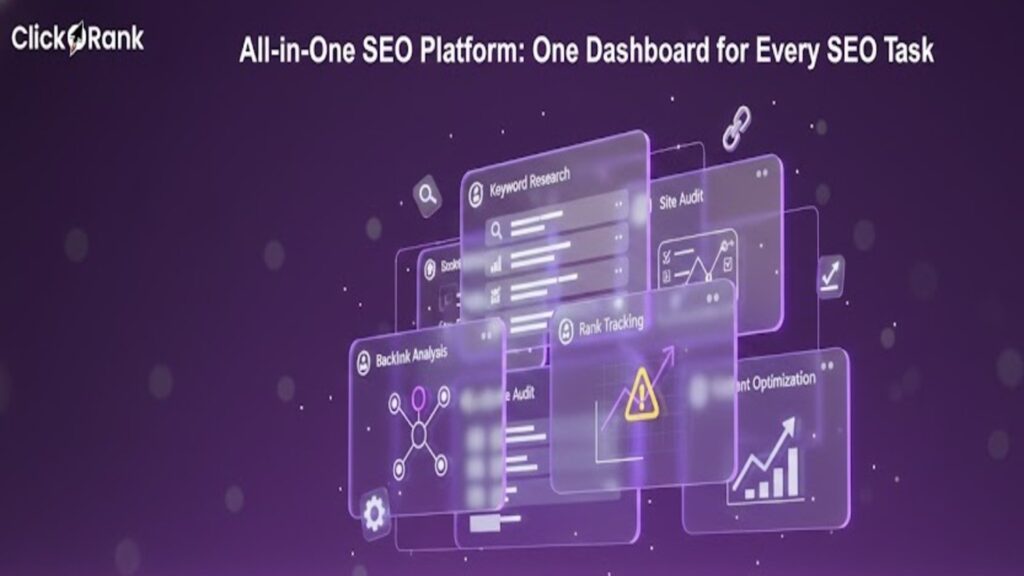
These platforms combine essential capabilities like rank monitoring, technical audits, backlink analysis, and competitor intelligence into unified dashboards. Unlike tools built for individual websites, agency-focused solutions prioritize scalability, allowing teams to manage dozens or hundreds of client accounts from a single interface. They eliminate the inefficiency of switching between multiple logins while providing the depth of data needed to make strategic recommendations.
Modern agency platforms recognize that client management extends beyond data collection. They incorporate workflow automation, team collaboration features, and branded reporting capabilities that transform raw metrics into client-ready insights. This integration of analytical power with operational efficiency defines what separates general SEO tools from true agency-grade solutions.
Why Do Agencies Need Specialized SEO Software?
Generic SEO tools often fall short when organizations scale their operations. The challenge isn’t just managing more data it’s coordinating strategies across different industries, competitive landscapes, and client expectations simultaneously. Specialized platforms address these complexities through architecture designed for multi-account environments.
Client communication demands consume significant resources. Standard tools require manual data extraction and formatting for each presentation, creating bottlenecks that limit how many accounts teams can realistically serve. Purpose-built solutions automate these processes while maintaining the customization clients expect, freeing strategists to focus on analysis rather than administrative tasks.
Security and access control become critical considerations as teams grow. Best SEO tools for agencies implement granular permission systems that allow organizations to grant clients portal access without exposing sensitive information about other accounts or internal methodologies. This separation protects competitive advantages while building transparency with each client relationship.
How Does SEO Software Improve Workflow Efficiency?
Repetitive tasks drain productivity more than complex challenges do. Daily activities like checking rankings, monitoring backlink profiles, and updating client dashboards consume hours that could otherwise drive strategic value. Enterprise SEO software for agencies tackles this inefficiency through intelligent automation.
ClickRank exemplifies this approach with automated workflows that handle routine monitoring without human intervention. The platform tracks keyword positions across search engines, identifies ranking fluctuations, and triggers alerts when significant changes occur. Teams receive notifications about critical issues rather than manually checking hundreds of keywords each morning.
Multi-client dashboards consolidate information that would otherwise require separate logins and reporting interfaces. Strategists view performance metrics across their entire portfolio, identify patterns that suggest broader algorithm updates, and spot opportunities for knowledge transfer between similar client accounts. This bird’s-eye perspective transforms how teams allocate attention and resources.
Can SEO Software Help Manage Multiple Clients?
Account management complexity grows exponentially with each new client. Different industries require distinct keyword strategies, competitive analyses demand continuous updates, and reporting preferences vary widely. Without proper infrastructure, organizations hit capacity limits that constrain growth regardless of available talent.
ClickRank’s multi-account architecture addresses these scaling challenges through centralized management interfaces. Teams organize clients into logical groups, apply bulk operations across multiple accounts, and maintain consistent processes despite portfolio diversity. The platform tracks project-specific configurations while preserving organizational knowledge that transcends individual accounts.
Collaboration features enable seamless coordination between specialists. Team members share notes on client accounts, assign tasks related to specific optimization initiatives, and maintain communication histories that prevent information silos. This structured collaboration ensures continuity when staff changes occur and accelerates onboarding for new team members.
What Features Should Agencies Look for in SEO Software?
Selecting SEO management software for marketing agencies requires evaluating capabilities against actual workflow requirements rather than feature checklists. Effective platforms balance comprehensiveness with usability, providing depth where it matters without overwhelming users with unnecessary complexity.
Core functionality should address the complete optimization lifecycle:
- Initial research capabilities that identify opportunities
- Ongoing monitoring that tracks implementation success
- Analytical tools that measure business impact
- Reporting features that communicate results effectively
However, features only deliver value when integrated into intuitive workflows that match how teams actually operate day-to-day. Platforms should feel natural to use rather than requiring constant reference to documentation.
Scalability considerations extend beyond account volume. As organizations grow, solutions must accommodate increasing data requirements, support more sophisticated analyses, and maintain performance despite expanding usage. Platforms that excel at small-scale operations sometimes struggle when deployed across enterprise environments with hundreds of simultaneous users.
Are Keyword Research Tools Essential for Agencies?
Keyword discovery forms the foundation of every optimization strategy. Teams need tools that go beyond search volume metrics to reveal competitive difficulty, user intent signals, and emerging opportunities before they become obvious to competitors. Sophisticated research capabilities separate reactive optimization from proactive strategy development.
ClickRank’s keyword suggestion engine analyzes semantic relationships to identify variations that traditional tools miss. The platform examines competitor rankings to reveal gaps where clients can realistically compete, prioritizing opportunities based on estimated traffic potential and ranking difficulty. This intelligence guides content planning and technical optimization priorities.
Competitor keyword insights provide strategic context that raw data lacks. Understanding which terms drive traffic to competing websites illuminates market positioning opportunities and content gaps. Organizations use these insights to develop differentiated strategies that leverage client strengths rather than simply replicating competitor approaches.
How Important Is Backlink Tracking for Agency SEO?
Backlink tracking is extremely important for agency SEO because backlinks remain one of the most influential ranking factors in search engines. By monitoring backlinks, agencies can evaluate the effectiveness of link-building campaigns, identify high-quality referring domains, and detect potentially harmful or toxic links that could negatively impact a client’s website. It also allows agencies to track competitor backlinks, uncover new link opportunities, and measure the ROI of their SEO efforts. Tools like Ahrefs, SEMrush, and ClickRank provide real-time backlink monitoring, detailed reports, and alerts, ensuring agencies can maintain a healthy link profile and optimize SEO strategy effectively.
Should Agencies Use Competitor Analysis Features?
Understanding competitive dynamics separates strategic SEO from tactical execution. Teams need visibility into how competitors earn rankings, which content resonates with shared audiences, and where opportunities exist to outperform established players. Systematic competitor analysis transforms individual optimizations into coordinated strategic campaigns.
ClickRank’s competitor tracking dashboards provide side-by-side performance comparisons across key metrics. Teams monitor competitor keyword rankings, analyze content publishing patterns, and identify backlink sources that drive authority. This intelligence informs client strategy sessions with concrete benchmarks and actionable opportunities.
Market position tracking reveals strategic patterns that individual metric analysis misses. Organizations identify which competitors consistently outrank clients, understand the tactics driving their success, and develop targeted responses. This competitive intelligence becomes particularly valuable when explaining client performance within broader market context during quarterly reviews.
How Do SEO Tools Integrate with Other Agency Platforms?
Modern organizations operate across diverse technology stacks that reflect their service offerings and operational preferences. Multi-client SEO platforms must integrate seamlessly with project management systems, analytics tools, and client communication platforms to avoid creating isolated data silos.
Integration capabilities determine whether solutions enhance existing workflows or require teams to adopt parallel processes. Native connections between platforms enable automated data flow, reduce manual data entry errors, and ensure consistency across client touchpoints. These technical bridges transform disconnected tools into unified operational ecosystems.
API accessibility extends integration possibilities beyond pre-built connections. Development teams can create custom integrations that match unique requirements, connecting SEO data with proprietary systems or industry-specific platforms. This flexibility becomes essential as organizations develop specialized service offerings that require tailored reporting and analysis.
Can SEO Software Sync With Project Management Tools?
Project coordination challenges multiply as operations scale. Teams need visibility into SEO task status without constantly requesting updates or conducting status meetings that interrupt productive work. Integration between optimization platforms and project management systems creates automatic synchronization that maintains alignment.
Bidirectional data flow enables comprehensive project tracking. Platforms can create tasks in project management systems when audits identify issues, while completed tasks trigger updates in optimization dashboards. This automation ensures that project status reflects actual work completion rather than depending on manual updates that lag behind reality.
Do Analytics Integrations Improve Reporting Accuracy?
Accurate reporting requires correlating SEO metrics with business outcomes. Rankings and traffic matter only when they drive conversions, revenue, or other client-specific goals. Integration with analytics platforms connects optimization activities to bottom-line results, strengthening the value proposition organizations present to clients.
ClickRank’s integrations with analytics platforms enable comprehensive performance attribution. The system correlates ranking improvements with traffic changes, identifies which keywords drive valuable visitor engagement, and calculates optimization ROI. These connections transform SEO reporting from activity summaries into business impact demonstrations.
How to Choose the Right SEO Software for Your Agency?
Selecting appropriate SEO software for agencies represents a significant operational decision that affects team productivity, client satisfaction, and profitability. The wrong choice creates friction in daily workflows, limits service quality, and ultimately constrains growth regardless of market opportunities.
Evaluation should extend beyond feature comparisons to consider how tools align with organizational culture, existing processes, and strategic direction. Platforms that excel for technical SEO specialists may frustrate content-focused teams, while tools designed for small operations often lack scalability that growing organizations require.
Implementation success depends as much on organizational factors as technical capabilities. Team buy-in, training investment, and change management determine whether new platforms deliver promised benefits or become another underutilized subscription draining resources without producing proportional value.
What Are the Criteria for Selecting Agency SEO Software?
Comprehensive evaluation frameworks consider multiple dimensions beyond price and features. Organizations should assess technical capabilities, usability, scalability, support quality, and strategic alignment with their service positioning and target clients.
Data accuracy and freshness directly impact recommendation quality. Platforms must provide reliable metrics updated frequently enough to catch issues before they significantly impact client performance. Teams build reputations on the quality of their insights, making data reliability non-negotiable.
Vendor stability and product roadmap alignment deserve careful consideration. Organizations invest significant time integrating tools into workflows and training teams on specific platforms. Selecting vendors with questionable viability or development priorities misaligned with needs creates future migration risks that disrupt operations.
Should Pricing Influence Software Choice for Agencies?
Budget constraints represent practical realities, but cost shouldn’t drive selection decisions in isolation. Best SEO tools for agencies deliver ROI through increased client capacity, improved retention, or enhanced service quality that justifies their expense through measurable business impact.
Pricing models vary significantly across platforms:
- Per user seat charges
- Keyword-based billing
- Website monitoring fees
- Tiered subscription levels
Organizations should project costs across growth scenarios to understand how pricing scales with success. Models that become prohibitively expensive as portfolios expand create eventual migration requirements that disrupt operations and client service.
Hidden costs extend beyond subscription fees. Implementation time, training requirements, and integration development add to total ownership costs. Some apparently affordable platforms require extensive customization or supplementary tools to match requirements, ultimately costing more than initially apparent.
How Does User-Friendliness Affect Adoption by Teams?
Interface complexity determines whether teams embrace new tools or continue using familiar alternatives despite their limitations. Platforms requiring extensive training create adoption barriers that slow implementation and reduce utilization rates even after launch.
ClickRank’s intuitive interface prioritizes ease of use without sacrificing analytical depth. The platform organizes features around common workflows, uses clear labeling that matches industry terminology, and provides contextual guidance that helps users understand complex metrics. This thoughtful design accelerates team adoption and reduces ongoing training requirements.
Accessibility for non-technical users expands who can contribute to optimization efforts. When account managers can independently access client dashboards and understand basic performance metrics, they engage more effectively in strategy discussions and respond to client questions without constantly routing requests through specialists.
How Do Agencies Compare Popular SEO Tools?
Systematic comparison requires defining evaluation criteria that reflect actual priorities rather than generic feature lists. Teams should develop weighted scoring systems that emphasize capabilities most relevant to their specific service offerings and client base.
Trial periods provide opportunities for hands-on evaluation with real client data. Organizations should test candidate platforms against actual workflows, involve team members who will use tools daily, and assess how solutions perform under realistic conditions. Theoretical capabilities matter less than practical utility in day-to-day operations.
Which SEO Software Offers the Best Client Reporting Features?
Reporting quality directly influences client perception of value. Platforms must transform complex data into clear narratives that demonstrate progress, explain setbacks, and justify continued investment in optimization programs. Superior reporting capabilities strengthen client relationships and improve retention rates.
ClickRank’s white-label reporting enables organizations to present insights under their own branding. Customizable templates accommodate different client preferences while maintaining consistency in how information is structured. Automated report generation eliminates manual compilation work, freeing strategists to focus on analysis and recommendations rather than document formatting.
Dashboard flexibility allows emphasis on metrics that matter most to specific clients. B2B clients prioritize lead quality over traffic volume, while e-commerce operations focus on transaction attribution. Customization capabilities ensure that reporting aligns with each client’s business model and success definitions.
How Do Tools Differ in Keyword Research Capabilities?
Keyword research depth varies dramatically across platforms. Basic tools provide search volume estimates and broad suggestions, while sophisticated options analyze competitive difficulty, identify intent patterns, and reveal semantic relationships that guide content strategy.
Database comprehensiveness determines opportunity discovery success. Platforms with extensive keyword indexes identify long-tail variations and emerging trends that smaller databases miss. This coverage becomes particularly important for organizations serving niche industries or international clients requiring multi-language capabilities.
Can Agencies Test SEO Software Before Committing?
Most enterprise-grade platforms offer trial periods or demonstration accounts that enable hands-on evaluation. These assessment opportunities let organizations validate capabilities against their specific requirements before committing to contracts and implementation efforts.
Do Free Trials Provide Accurate Performance Insights?
Trial limitations sometimes constrain evaluation depth. Restricted feature access, limited data history, or reduced account capacity may prevent full assessment of how platforms perform at scale. Understanding trial constraints helps design evaluation processes that extract maximum insight despite limitations.
Are Demos Sufficient for Evaluating SEO Software?
Vendor demonstrations showcase ideal use cases under controlled conditions. While valuable for understanding feature scope, demos rarely reveal usability challenges or performance limitations that emerge during daily use. Organizations should supplement demos with independent research and hands-on testing.
What Are the Top SEO Software Options for Agencies?
The market offers numerous enterprise SEO software for agencies solutions, each with distinct strengths and ideal use cases. Understanding platform differences helps organizations select tools aligned with their operational priorities and client service models.
Comprehensive evaluation considers technical capabilities, ease of use, pricing structures, customer support quality, and integration ecosystems. No single platform excels across all dimensions, requiring prioritization of features most critical to success.
How Does Ahrefs Benefit Agency SEO Strategies?
Ahrefs has established itself as a leading option through extensive backlink databases and robust keyword research capabilities. The platform’s Site Explorer provides detailed competitive analysis, while Content Explorer reveals top-performing content across any topic or domain.
What Makes Ahrefs Keyword Explorer Valuable for Agencies?
The Keyword Explorer combines search volume data with clicking behavior metrics and ranking difficulty estimates. This multidimensional analysis helps organizations identify opportunities where clients can realistically compete, avoiding keywords that require resources beyond available budgets.
Parent topic grouping reveals how search engines cluster related queries, informing content strategy that targets topic authority rather than individual keywords. This strategic perspective aligns with modern algorithm priorities that reward comprehensive topical coverage.
How Effective Is Ahrefs for Backlink Analysis?
Ahrefs’ backlink index updates frequently, providing near real-time visibility into link profile changes. The platform identifies new backlinks quickly, tracks anchor text distribution, and calculates domain authority metrics that inform outreach prioritization.
Historical data preservation enables trend analysis that reveals link-building momentum or concerning patterns. Organizations can demonstrate progress over time and identify seasonal patterns that inform ongoing strategy adjustments.
What Advantages Does SEMrush Offer Agencies?
SEMrush positions itself as an all-in-one marketing platform that extends beyond traditional SEO into content marketing, social media, and advertising analysis. This breadth appeals to organizations offering integrated digital marketing services.
How Does SEMrush Simplify Competitor Analysis?
Domain overview reports consolidate competitive intelligence across multiple dimensions. Organizations quickly understand competitor traffic sources, top-performing content, and advertising strategies. This holistic view informs comprehensive competitive positioning.
Position tracking monitors keyword rankings across geographic markets and device types. International organizations particularly value the geographic specificity that enables localized strategy development for global clients.
Can SEMrush Improve Content Marketing Strategies?
The Content Marketing Toolkit provides topic research, SEO content templates, and performance tracking. These features guide content creation with data-driven recommendations about optimal length, readability, and semantic keyword inclusion.
SEO Writing Assistant integrates with word processors to provide real-time optimization suggestions during content creation. This workflow integration improves content quality while reducing revision cycles.
How Can Moz Tools Help Agencies?
Moz offers established authority metrics and local SEO capabilities that appeal to organizations serving small-to-medium businesses. The platform emphasizes accessibility, making sophisticated analysis available to users without extensive technical backgrounds.
Is Moz Pro Useful for Local SEO Agencies?
Local market analytics provide visibility into geographic ranking factors and competitive dynamics. Organizations managing local business clients benefit from centralized tools for citation management, review monitoring, and local pack tracking.
How Accurate Are Moz Link Metrics for Agencies?
Domain Authority and Page Authority metrics provide quick quality assessments during link prospecting. While not official Google metrics, these scores correlate with ranking performance and help organizations prioritize outreach efforts.
Are Other Tools Like Screaming Frog or Majestic Worth Considering?
Specialized tools address specific optimization needs that comprehensive platforms may handle less effectively. Many organizations maintain subscriptions to multiple tools, using each for its particular strengths.
How Do Crawling Tools Aid Technical SEO?
Screaming Frog’s desktop crawler provides detailed technical audits that identify broken links, redirect chains, duplicate content, and structural issues. The ability to crawl sites without limitations makes it invaluable for large website audits.
Custom extraction capabilities enable organizations to collect specific data points for analysis in external tools. This flexibility supports unique client requirements and specialized reporting needs.
Can Link Analysis Tools Identify Opportunities Quickly?
Majestic’s Trust Flow and Citation Flow metrics offer alternative perspectives on link quality. The platform’s historical data index enables organizations to analyze link profile evolution over extended periods.
ClickRank deserves recognition as a comprehensive solution combining keyword optimization, automated on-page improvements, intelligent internal linking, and streamlined reporting. The platform’s automation capabilities particularly benefit agency SEO software for clients management of large portfolios, eliminating routine tasks while maintaining optimization quality. Its white-label reporting features enable seamless client communication under organizational branding.
How Can SEO Software Improve Agency Client Reporting?
Client reporting represents a critical touchpoint that shapes perception of value. White-label SEO tools transform raw performance data into compelling narratives that demonstrate progress, contextualize challenges, and justify continued investment in optimization programs.
Effective reporting balances data transparency with strategic interpretation. Clients need access to underlying metrics while benefiting from expertise that translates numbers into business implications. Platforms that facilitate this balance strengthen client relationships and reduce misunderstandings about performance.
What Reporting Features Do Agencies Value Most?
Automation capabilities top most organizational wish lists. Manual report compilation consumes hours that yield minimal strategic value, creating bottlenecks that limit client capacity. Platforms that generate comprehensive reports automatically free strategists for analysis and planning.
Customization flexibility ensures reports address each client’s unique priorities and comprehension levels. Technical clients may prefer detailed metric breakdowns while business-focused stakeholders need executive summaries emphasizing bottom-line impact.
Can Automated Reports Save Agencies Time?
Scheduled report generation eliminates last-minute preparation rushes before client meetings. Teams configure reports once, then receive updated versions automatically as new data becomes available. This reliability ensures consistent communication without requiring constant attention.
How Can Custom Dashboards Improve Client Communication?
ClickRank’s customizable dashboards enable organizations to emphasize metrics most relevant to specific clients. E-commerce operations focus on transaction attribution, lead generation businesses prioritize conversion tracking, and content publishers emphasize engagement metrics. This alignment ensures reporting resonates with client priorities.
Real-time dashboard access empowers clients to monitor progress independently. This transparency builds trust while reducing routine status inquiries that interrupt workflow. Clients appreciate visibility while organizations benefit from decreased administrative burden.
How Do Agencies Track ROI Using SEO Software?
Demonstrating return on investment strengthens retention and justifies rate increases. Comprehensive tracking connects optimization activities to business outcomes, quantifying the financial impact of improved rankings and increased organic traffic.
Can SEO Metrics Demonstrate Campaign Success?
Ranking improvements and traffic increases matter only when they drive business results. SEO software for agencies must connect visibility gains to conversions, revenue, or other client-specific success metrics. This attribution demonstrates value beyond vanity metrics.
Goal tracking integration links SEO performance to business objectives. Platforms that import conversion data from analytics tools calculate optimization ROI automatically, eliminating manual analysis that delays insight delivery.
How Can Agencies Adjust Strategies Based on Reports?
Performance trending reveals whether current tactics produce desired results. Declining rankings or stagnant traffic signal the need for strategy adjustments, while positive momentum validates tactical decisions. Data-driven course corrections improve outcomes while building client confidence in judgment.
Comparative benchmarking contextualizes client performance against industry norms and direct competitors. Understanding whether performance gaps reflect optimization opportunities or market realities shapes realistic goal-setting and expectation management.
What Role Does White-Label Reporting Play for Agencies?
Branded reporting strengthens positioning as strategic partners rather than tool operators. When clients receive insights under organizational branding, they associate value with the relationship rather than the underlying platform.
Can White-Label Reports Enhance Client Retention?
Professional presentation quality influences client perception of sophistication. Polished, branded reports suggest operational maturity and attention to detail that builds confidence in capabilities beyond SEO expertise.
Consistent branding across client touchpoints reinforces organizational identity. Reports matching website design and proposal aesthetics create cohesive brand experiences that distinguish organizations from competitors using generic templates.
How Easy Is It to Customize Reports for Different Clients?
Template flexibility determines whether white-label reporting saves time or creates new customization burdens. Best platforms offer template libraries that organizations refine once then apply across similar clients, balancing efficiency with personalization.
What Are the Advanced SEO Features Agencies Should Use?
Competitive advantages increasingly depend on leveraging sophisticated capabilities that automate complex analysis and reveal non-obvious opportunities. Advanced features separate organizations offering commodity services from those delivering strategic value that commands premium pricing.
How Does AI-Powered SEO Improve Agency Performance?
Artificial intelligence applications transform how organizations identify opportunities and optimize content. Machine learning algorithms process data volumes impossible for human analysis, revealing patterns and predictions that inform proactive strategies.
Can AI Predict Keyword Opportunities Effectively?
Predictive algorithms analyze search trend trajectories to identify emerging opportunities before they become competitive. Organizations positioning clients for growth keywords gain first-mover advantages that yield outsized results from modest investments.
Seasonal pattern recognition enables proactive content planning. Understanding historical search behavior helps prepare content calendars that align with predictable demand fluctuations, ensuring visibility when audience interest peaks.
How Does AI Assist in Content Optimization?
ClickRank’s AI-powered recommendations analyze top-ranking content to identify patterns in length, structure, semantic keyword inclusion, and readability. These insights guide content creation with data-driven specifications that improve ranking potential.
Natural language processing evaluates content quality beyond keyword inclusion. Algorithms assess topical comprehensiveness, identify information gaps, and suggest improvements that enhance user value the ultimate ranking factor.
What Role Do Automation Tools Play in Agency SEO?
Systematic automation eliminates routine tasks that consume time without requiring strategic thinking. By handling repetitive activities reliably, automation frees specialists for high-value work that drives client results and differentiates services.
Can Automated Alerts Prevent SEO Issues?
Proactive monitoring catches problems before they significantly impact performance. Automated systems track ranking fluctuations, technical errors, and backlink changes, triggering immediate alerts when thresholds are exceeded. This vigilance enables rapid response that minimizes damage.
Server uptime monitoring detects accessibility issues that prevent search engine crawling. Quick identification and resolution of technical problems protects rankings from avoidable declines.
How Can Scheduling Tools Streamline Publishing?
ClickRank’s automation capabilities extend to routine optimization tasks. The platform can automatically update meta tags based on best practice formulas, suggest internal linking opportunities that strengthen site architecture, and generate draft reports for team review. These efficiencies scale operations without proportionally increasing headcount.
Content publishing workflows integrate with automation platforms to ensure timely publication. Scheduled releases maintain consistent content cadences that signal site vitality to search algorithms while managing team workload.
Are API Integrations Essential for Large Agencies?
Enterprise organizations often require custom integrations that match unique operational requirements. API access enables development teams to connect SEO software for agencies with proprietary systems, creating tailored workflows that provide competitive advantages.
Can APIs Sync SEO Data Across Multiple Platforms?
Automated data synchronization eliminates manual exports and imports between systems. Real-time integration ensures consistency across platforms, preventing discrepancies that confuse teams and undermine confidence in reporting accuracy.
How Do APIs Enable Custom Client Dashboards?
Development teams can build client portals that combine SEO data with information from other marketing channels. These unified dashboards provide comprehensive performance views that demonstrate integrated strategy effectiveness.
What Challenges Do Agencies Face with SEO Software?
Technology adoption rarely proceeds without obstacles. Understanding common implementation challenges helps organizations develop mitigation strategies that smooth transitions and maximize tool utilization.
Why Do Some Agencies Struggle to Implement SEO Tools?
Resistance to change represents a universal challenge when introducing new systems. Teams comfortable with existing workflows may view new platforms as threats rather than opportunities, particularly if implementation is poorly managed.
How Can Training Affect Software Adoption?
Comprehensive onboarding determines whether teams embrace new tools or continue using familiar alternatives. Investment in structured training, documentation, and ongoing support correlates strongly with implementation success.
Hands-on practice with real client scenarios builds confidence faster than abstract tutorials. Teams that immediately apply new capabilities to actual work develop competency while delivering client value simultaneously.
Are There Compatibility Issues With Other Tools?
Legacy system integration sometimes creates technical obstacles. Organizations must verify that new SEO management software for marketing agencies platforms work with existing technology stacks before committing to transitions that might require extensive customization.
How Do Agencies Handle Data Accuracy Concerns?
Data reliability forms the foundation of strategic recommendations. When organizations discover inaccuracies in platform reporting, they must determine whether issues reflect tool limitations or configuration errors.
Can Inaccurate Metrics Affect Client Decisions?
Flawed data leads to misguided strategies that waste resources and damage client trust. Organizations must validate critical metrics through multiple sources before making significant strategic recommendations based on single-platform reporting.
How Often Should Agencies Audit SEO Software Data?
Regular verification against independent data sources identifies systematic inaccuracies. Quarterly audits comparing platform metrics against Google Search Console, analytics platforms, and competitor tools ensure ongoing reliability.
What Are the Common Pitfalls in Agency SEO Reporting?
Reporting mistakes undermine client confidence even when underlying optimization work is excellent. Awareness of common errors helps organizations implement quality control processes that maintain credibility.
Can Overreliance on Automation Reduce Insight Quality?
Automated reports efficiently compile data but lack strategic context that transforms metrics into actionable intelligence. Organizations must balance automation efficiency with human analysis that interprets performance within broader business contexts.
How Can Agencies Avoid Misinterpreting Analytics?
Correlation doesn’t imply causation. Traffic increases following optimization efforts may reflect algorithm updates, seasonal patterns, or competitor failures rather than organizational actions. Careful attribution prevents taking credit for fortunate timing while identifying actual tactical successes.
Ready to streamline your workflow and deliver exceptional client results? Visit clickrank.ai to discover how our comprehensive platform can transform your optimization processes through intelligent automation, white-label reporting, and powerful analytics.
Whether you’re managing five clients or fifty, ClickRank provides the tools you need to scale efficiently while maintaining the quality that builds lasting client relationships. Our SEO software for agencies combines automation, AI-powered insights, and intuitive interfaces designed specifically for multi-client management.
Start your free trial today and experience the difference that purpose-built solutions make in your daily operations and client success stories. Join hundreds of organizations already maximizing their potential with ClickRank.
What Is the Best SEO Software for Small Agencies?
ClickRank offers excellent value for small-to-medium organizations through intuitive workflows and automation that maximize limited team capacity. The platform balances comprehensive capabilities with user-friendly interfaces that don't require extensive technical expertise, making it ideal for building foundational optimization processes.
Can Agencies Use Multiple SEO Tools Simultaneously?
Most organizations maintain several specialized tools rather than relying on single platforms. Combining comprehensive suites like SEMrush with specialized crawlers like Screaming Frog and ClickRank's automation capabilities creates toolkits that leverage each platform's strengths while compensating for individual limitations.
How Much Does SEO Software Cost for Agencies on Average?
Multi-client SEO platforms typically range from $200 to $1,000+ monthly, depending on tracked keywords, monitored websites, and user seats. Enterprise solutions serving large organizations with extensive portfolios often exceed $2,000 monthly. Cost-effective selection requires calculating per-client expenses to ensure tools remain profitable as portfolios grow.
Are There SEO Software Options Specifically for Marketing Agencies?
Yes, platforms like ClickRank, SEMrush Agency, and Ahrefs Agency explicitly target operational needs through multi-account management, white-label reporting, and team collaboration features. These specialized solutions recognize workflow requirements differ significantly from individual website owners or in-house teams.
How Do Agencies Train Their Teams on New SEO Tools?
Effective training combines vendor-provided resources with internal documentation reflecting specific workflows. Structured onboarding programs, regular lunch-and-learn sessions, and designated power users who support colleagues ensure consistent platform utilization and knowledge retention across teams.
What Metrics Should Agencies Focus on Using SEO Software?
Priority metrics depend on client business models but typically include organic traffic trends, keyword ranking improvements, conversion attribution, and backlink profile health. Quality platforms enable customizable metric hierarchies that align reporting with each client's specific success definitions and business objectives.
Is Cloud-Based SEO Software Better Than Desktop Versions for Agencies?
Cloud platforms offer superior collaboration, automatic updates, and accessibility from any location critical advantages for distributed teams. Desktop tools like Screaming Frog remain valuable for specific tasks but cloud-based agency SEO software for clients better supports modern operations and remote work arrangements.