
What Are SEO Tools for Small Business?
SEO tools for small business are essential software platforms and applications designed to help small companies improve their organic search engine rankings, attract more website traffic, and ultimately increase revenue without the need for a massive marketing budget. These tools streamline complex SEO tasks, making them accessible even for teams without a full-time SEO specialist. They automate data collection and analysis, which saves significant time and effort. Using the right set of SEO tools for small business is a critical step toward competing effectively in the digital marketplace.
Why Do Small Businesses Need SEO Tools?
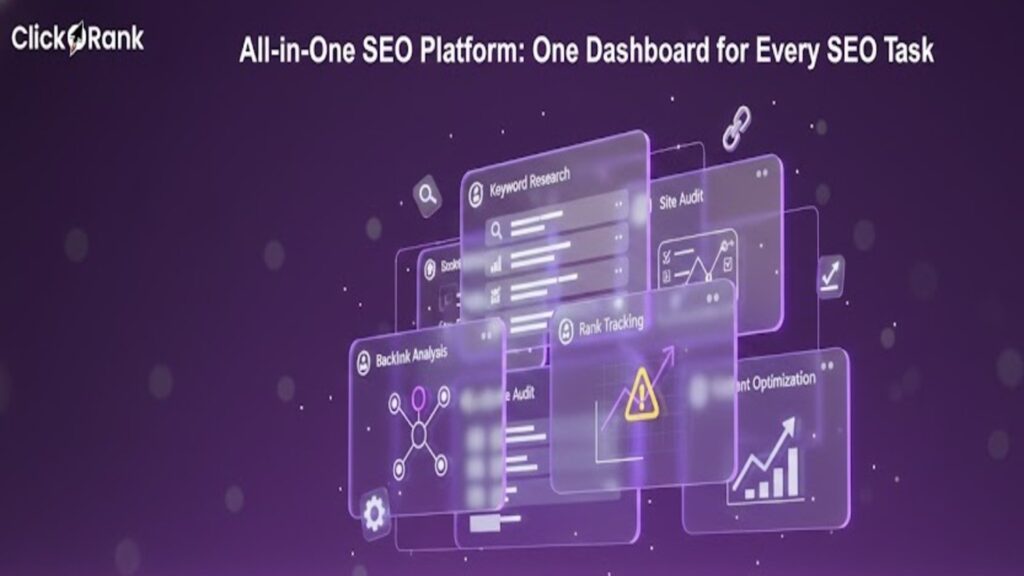
Small businesses operate with limited resources, making efficiency paramount. SEO tools for small business provide a structured, data-driven approach to digital marketing that ensures every effort is targeted and effective. Instead of guessing what content to create or which technical issues to fix, these tools offer concrete recommendations based on real-time data. This allows small teams to focus their energy on high-impact activities. For instance, an all-in-one platform like ClickRank is invaluable for a small business to optimize keywords, manage on-page SEO tasks, and simplify performance reporting in a single dashboard.
How Do SEO Tools Help Improve Website Performance?
The primary function of SEO tools for small business is to diagnose and provide solutions for website issues that hinder search performance. They look beyond simple keyword placement to analyze technical factors, user experience, and content quality. By highlighting areas of improvement, these tools directly contribute to faster loading speeds, better core web vitals, and a more logical content structure, all of which Google favors. ClickRank, for example, offers AI-driven suggestions for improving site speed and structuring content, helping a small business stay competitive and deliver a better user experience.
What Types of SEO Tools Are Available for Small Businesses?
The market offers a diverse range of SEO tools for small business, each focusing on a specific aspect of search engine optimization. Successful SEO requires managing several moving parts, from keyword planning to technical audits. A small business should look for a suite of tools that provides comprehensive coverage without being overly complicated. The right combination can significantly boost a small business’s online visibility and growth trajectory.
Which Tools Focus on Keyword Research?
Keyword research tools are arguably the most fundamental type of SEO tools for small business. They help you understand what your target audience is searching for, the exact phrases they use, and how difficult it will be to rank for those terms. This critical data informs your entire content strategy. Tools in this category offer keyword suggestions, volume data, and long-tail keyword insights, allowing small businesses to find achievable ranking opportunities. ClickRank, for instance, provides extensive long-tail keyword insights, making it easier for small businesses to target less competitive, high-intent searches.
Which Tools Help with Backlink Analysis?
Backlinks remain a powerful signal of authority and trust for search engines. Backlink analysis tools are crucial SEO tools for small business because they help you monitor your link profile and your competitors’. They identify which sites are linking to you, the quality of those links, and, importantly, flag any potentially harmful or “toxic” backlinks that could negatively impact your rankings. Effective backlink analysis is essential for maintaining a healthy and authoritative website. ClickRank simplifies this by offering continuous backlink monitoring and immediate toxic link alerts.
Which Tools Track Website Analytics?
Understanding your website traffic and user behavior is non-negotiable for proving the ROI of your SEO efforts. Website analytics tools provide the data necessary to measure performance, identify popular content, and locate where users are dropping off. These SEO tools for small business help transform raw traffic numbers into actionable insights. They typically feature performance dashboards that visualize key metrics like organic traffic, keyword rankings, and user engagement. ClickRank’s clear performance dashboards are designed to give a small business an instant overview of their SEO health.
Which Tools Are Best for Local SEO?
For businesses serving a specific geographic area, Local SEO tools are indispensable. These are specialized SEO tools for small business that focus on optimizing a company’s presence in local search results, map packs, and directories. This often involves optimizing the Google Business Profile (GBP) and managing online reviews. Local tools help a small business dominate “near me” searches, driving foot traffic and local inquiries. ClickRank offers specific local SEO recommendations and tools for optimizing a business’s Google Business profile effectively.
Which Tools Assist With On-Page SEO?
On-Page SEO tools focus on optimizing the actual content and code elements of your web pages. These are vital SEO tools for small business for ensuring that search engines can easily crawl, understand, and rank your content. They analyze factors like title tags, meta descriptions, heading structure, and image alt text. Many modern tools, including ClickRank, now offer one-click fixes for common on-page issues and provide automated recommendations for improving internal linking, which is a major benefit for small, time-constrained teams. These tools are far more effective than trying to manage everything manually.
How to Choose the Right SEO Tools for Small Business?
Selecting the ideal SEO tools for small business requires careful consideration of budget, team expertise, and specific business goals. The ideal tools should offer a powerful suite of features while maintaining simplicity and affordability. It is often better to invest in one robust, all-in-one platform than several specialized tools that don’t integrate well. Businesses looking for comprehensive features and easy-to-use best SEO tools for agencies to manage their clients should prioritize platforms with multi-client capabilities.
What Features Should You Look for in an SEO Tool?
When evaluating SEO tools for small business, look beyond the basic functionality. A great tool should offer a comprehensive, integrated workflow that covers the entire SEO lifecycle. Key features include reliable data, actionable insights, and ease of use. Tools that incorporate AI can also save small businesses considerable time. Focusing on a platform that offers multi-client SEO platforms is a smart move for agencies supporting small businesses.
Which Tools Offer Competitor Analysis?
Competitor analysis is a cornerstone of modern SEO strategy. The right SEO tools for small business provide detailed insights into what your rivals are doing successfully. This includes uncovering the keywords they rank for, the content they produce, and where they are earning their backlinks. This information allows a small business to identify gaps in the market and replicate successful strategies. ClickRank offers robust tracking of competitor keywords and backlink profiles, giving a small business a clear strategic advantage.
Which Tools Provide Rank Tracking?
For any small business, knowing exactly where they stand in search results for their target keywords is non-negotiable. Rank tracking tools monitor your performance over time and across different geographic locations. These SEO tools for small business are essential for measuring the direct impact of your optimization efforts. They provide clear reports and dashboards, such as those found in ClickRank, that visualize keyword performance and ranking fluctuations, allowing for quick adjustments to your strategy.
Which Tools Include Site Audits?
A site audit feature is vital for identifying technical and on-page SEO issues that could be preventing your site from ranking. Comprehensive audit tools crawl your website just like a search engine bot would. They then flag issues like broken links, duplicate content, slow page speeds, and indexing problems. This is particularly important for small businesses that cannot afford expensive technical consulting. ClickRank’s technical SEO auditing, including its AI Model Index Checker, helps a small business proactively catch and fix problems. For those working with clients, enterprise SEO software for agencies that includes deep auditing features is a must-have.
How Much Should Small Businesses Invest in SEO Tools?
Investment in SEO tools for small business should be treated as a strategic expenditure, not just an overhead cost. Prices vary widely, from free basic plans to hundreds of dollars per month for enterprise-level suites. Small businesses should look for tools that offer maximum value for their money. Many providers, including ClickRank, offer affordable, tiered plans specifically designed to meet the needs and budget constraints of a growing small business, ensuring they don’t overpay for features they won’t use.
Which Free SEO Tools Are Worth Considering?
While free tools like Google Analytics and Google Search Console are essential, many premium SEO tools for small business also offer valuable free tiers or extended trials. These limited-access versions often provide basic keyword research, site audit previews, or rank tracking for a small number of keywords. Utilizing free trials, such as those offered by ClickRank, allows a small business to test the tool’s functionality and data quality before committing to a paid subscription. This is a smart, low-risk way to explore potential solutions.
How to Compare Paid SEO Tools Effectively?
Comparing paid SEO tools for small business requires focusing on three key areas: feature set, data accuracy, and user experience.
- Feature Set: Does the tool cover keyword research, backlink analysis, and technical audits in one package?
- Data Accuracy: Are the search volume and difficulty metrics reliable?
- User Experience: Is the interface intuitive and easy for a non-SEO expert to use?
Also, consider scalability will the tool still be useful as your business grows? Best SEO tools for agencies should offer white-label SEO tools capabilities, which may also appeal to larger small businesses with multiple brands.
What Are the Best SEO Tools for Keyword Research?
Effective keyword research is the foundation of any successful SEO strategy. The best SEO tools for small business simplify the process of identifying target keywords that align with the business’s offerings and its competitive position. They move beyond simple volume to analyze user intent and conversion potential.
How Can Small Businesses Find Low-Competition Keywords?
Finding low-competition keywords is critical for a small business that is just starting its SEO journey. These are often long-tail phrases that have decent search volume but fewer established websites competing for them. SEO tools for small business with sophisticated difficulty scoring algorithms are essential here. They help small teams focus their limited content creation resources on topics where they have the highest chance of ranking quickly.
Which Keyword Tools Are Most Accurate in 2026?
The accuracy of search volume and keyword difficulty metrics can vary significantly between different SEO tools for small business. The most reliable tools regularly update their algorithms and data sources to reflect current search trends and changes in Google’s ranking factors. Choosing a tool with proven, transparent data methodology is paramount to ensure a small business bases its content strategy on solid ground.
How to Analyze Keyword Difficulty Effectively?
Keyword difficulty scores provided by SEO tools for small business are estimates, but they are incredibly useful. An effective analysis requires looking beyond the raw score to evaluate the quality of the top-ranking pages. Are they major brands, or smaller, niche sites? This manual review, supported by tool data, helps a small business make realistic decisions about which keywords to pursue.
Can Long-Tail Keywords Boost Small Business SEO?
Absolutely. Long-tail keywords (longer, more specific phrases) are among the most effective targets for SEO tools for small business. They typically have lower competition and much higher conversion rates because the searcher is usually further along in the buying process. Tools that excel at generating long-tail suggestions enable a small business to capture highly qualified organic traffic.
How to Find Keywords That Convert Better?
Finding keywords that convert requires focusing on commercial intent. These are phrases that include words like “best,” “for sale,” “price,” “review,” or “service.” The best SEO tools for small business allow filtering by search intent, helping a small business quickly identify high-value keywords that are more likely to lead to a purchase or lead generation.
How to Use Keyword Tools for Content Planning?
Keyword tools are central to a small business’s content planning. Once target keywords are identified, the tools should assist in organizing these keywords into topical clusters and content briefs. This structured approach ensures every piece of content created serves a clear SEO purpose. ClickRank, for example, offers AI-based content topic suggestions and keyword planning features that streamline the entire editorial calendar for small businesses.
How Can SEO Tools Improve On-Page Optimization?
On-page optimization refers to all the efforts applied directly to a web page’s content and HTML source code. The right SEO tools for small business transform this often-technical process into a manageable checklist. They provide real-time suggestions and automated fixes, ensuring every page is perfectly optimized for both users and search engines.
What On-Page SEO Elements Should Be Monitored?
Several on-page elements require constant monitoring. These include ensuring every page has a unique, descriptive title tag and meta description, a logical heading hierarchy (H1, H2, etc.), optimized image file names and alt text, and relevant internal links. SEO tools for small business should provide a quick audit of these elements and highlight any missing or poorly optimized fields.
How to Optimize Title Tags and Meta Descriptions?
Title tags and meta descriptions are a small business’s “ad copy” in the search results. They must be compelling, accurately describe the page content, and include the primary target keyword. SEO tools for small business help by showing a preview of how the snippet will look in search results and checking if the length is optimal to avoid truncation.
How to Improve Heading Structure with SEO Tools?
A clear heading structure is crucial for both readability and SEO. It helps search engines understand the hierarchy of topics on the page. SEO tools for small business can analyze your headings and recommend a more logical flow, ensuring the main topic is covered by the H1 and subsequent sections by H2 and H3 tags.
How to Enhance Image SEO Efficiently?
Image optimization involves reducing file size for speed and adding descriptive alt text for accessibility and search engine context. This is often tedious. Dedicated SEO tools for small business or all-in-one platforms like ClickRank offer features like automated on-page fixes and internal linking recommendations that drastically simplify tasks such as generating accurate alt text and ensuring images load quickly.
Which Tools Help Identify Technical SEO Issues?
Technical SEO issues, such as crawl errors, site speed problems, and faulty sitemaps, can completely block a small business from ranking. Comprehensive SEO tools for small business must include a technical site audit. They simulate a search engine crawl to find and report on these hidden problems. ClickRank is known for its detailed crawl error detection and speed optimization suggestions.
How Do Small Businesses Fix Common SEO Errors Using Tools?
The best SEO tools for small business don’t just point out problems; they provide clear, actionable instructions on how to fix them. For example, instead of just saying “Fix 404 error,” the tool should identify the exact URL causing the issue and suggest a redirect. This translation of technical jargon into simple fixes is a massive benefit for non-expert small business owners.
How to Use SEO Tools for Link Building?
Link building remains one of the most challenging, yet crucial, aspects of SEO. SEO tools for small business are essential for managing this process efficiently, from identifying potential link targets to monitoring the health of your existing backlink profile.
How Can Small Businesses Identify Quality Backlinks?
A quality backlink comes from a high-authority, relevant, and trustworthy website. The right SEO tools for small business assess linking domains based on metrics like Domain Authority (DA) or Domain Rating (DR), relevance, and traffic. This data helps a small business prioritize outreach efforts toward valuable link targets rather than wasting time on low-quality sites.
What Tools Help Track Competitor Backlinks?
Understanding your competitors’ backlink strategy is the best way to find new link opportunities for your small business. Competitor backlink tools, which are essential SEO tools for small business, allow you to see the exact websites linking to your rivals. This provides a roadmap of potential link-building targets that are known to link to businesses in your niche.
How to Monitor Your Link Profile Over Time?
A link profile is never static; links can be added, removed, or become toxic. Constant monitoring is necessary. SEO tools for small business automate this process, tracking new links and losses and providing historical data. This ongoing vigilance is critical for maintaining your site’s SEO value and for protecting your rankings. Agency SEO software for clients often prioritizes this feature for regular reporting.
How to Avoid Toxic Backlinks That Harm SEO?
Toxic backlinks often spammy, low-quality, or manipulative links can seriously damage a small business’s search rankings. SEO tools for small business use automated algorithms to analyze link quality and flag suspicious links based on over-optimization or source quality. Effective SEO management software for marketing agencies makes this a key priority for client health.
Which Tools Provide Disavow Recommendations?
In cases where a small business receives a toxic backlink, the Google Disavow Tool is the last line of defense. Advanced SEO tools for small business go beyond simple flagging; they provide detailed disavow recommendations, generating the exact file needed to submit to Google. ClickRank, for instance, offers backlink health alerts and specific disavow suggestions to safeguard a small business’s authority.
How to Track SEO Performance with Analytics Tools?
Tracking performance is how a small business proves the ROI of its SEO strategy. Analytics tools are specialized SEO tools for small business that translate complex data into clear metrics that matter most for business growth. They link SEO efforts to tangible business outcomes.
Which Metrics Should Small Businesses Focus On?
Small businesses should focus on metrics that directly correlate with growth, moving beyond vanity metrics. Key areas include organic traffic volume, keyword ranking positions, and conversion rates from organic search. SEO tools for small business must clearly present these metrics to facilitate quick, data-driven decisions.
How to Track Organic Traffic Growth?
Organic traffic growth is the ultimate indicator of SEO success. It represents free, high-intent visitors. SEO tools for small business should provide clear visualizations and historical comparisons of this traffic, broken down by landing page and source, to pinpoint which content is driving results.
How to Monitor Keyword Rankings?
Monitoring keyword rankings tracks the visibility of a small business for its target audience. The best SEO tools for small business allow for tracking thousands of keywords at once, across different devices and geographies, providing a granular view of ranking improvements or declines.
How to Measure Conversion Rates from SEO?
Conversions whether sales, form submissions, or phone calls are the final step in the SEO chain. Analytics within SEO tools for small business should integrate with or complement a tool like Google Analytics to show which keywords and pages are leading directly to conversions, demonstrating actual business value.
How to Generate SEO Reports Using Tools?
Generating clear, concise SEO reports is essential, especially for best SEO tools for agencies and small business owners reporting to investors or leadership. The tools should allow for customizable, scheduled reports that highlight key progress and future goals. ClickRank’s reporting dashboards and customizable analytics make this task fast and professional for any small business.
How Often Should Small Businesses Review Analytics Data?
While keyword rankings might be checked daily, a deeper review of overall analytics data is best done weekly or monthly. This allows a small business to spot trends, measure the impact of recent content launches, and adjust the strategy without reacting to minor daily fluctuations. The consistency provided by good SEO tools for small business is key here.
What Are the Best SEO Tools for Local Businesses?
Local SEO tools are a specialized category of SEO tools for small business, designed to help companies rank in location-specific search results. This is vital for brick-and-mortar stores, service providers, and regional businesses.
How Can Local SEO Tools Improve Visibility?
Local SEO tools focus on optimizing the three main components of local search: proximity, relevance, and prominence. They ensure accurate listing data across various directories and monitor local-specific keyword rankings. Using these SEO tools for small business drastically increases a company’s chance of appearing in the coveted Google Map Pack.
Which Tools Optimize Google Business Profile?
The Google Business Profile (GBP) is often the single most important asset for local SEO. Tools in this category help a small business manage and optimize their GBP listing, ensuring correct information, tracking performance, and posting updates. This is a non-negotiable feature for effective local SEO tools for small business.
How to Track Local Keyword Rankings?
Local keyword rankings can fluctuate significantly based on the searcher’s exact location. Effective SEO tools for small business for local use provide geo-specific rank tracking, simulating searches from various zip codes or neighborhoods to provide an accurate picture of local visibility.
How Do SEO Tools Help Manage Customer Reviews?
Online customer reviews are a massive ranking factor and a key driver of consumer trust in local search. Local SEO tools for small business help manage reviews by monitoring new feedback across platforms and assisting with the process of soliciting and responding to customer reviews. ClickRank, for example, offers features specifically for local SEO recommendations and review management.
To streamline your entire SEO and content workflow, you need a platform that is powerful yet affordable. We invite you to explore the capabilities of ClickRank.
Discover the all-in-one solution built for growing businesses today!
What Are the Most Cost-Effective SEO Tools for Small Businesses?
The most cost-effective SEO tools for small business are typically all-in-one platforms that combine multiple essential features (keyword, site audit, and rank tracking) into a single, affordable subscription. Look for providers, such as ClickRank, that offer specific small business plans with scaled-down limits but full feature access to ensure maximum ROI for a limited budget.
Can Free SEO Tools Compete with Paid Ones?
Free SEO tools for small business, such as Google Search Console, are essential for diagnostic data but lack the depth and comprehensiveness of paid tools. While free options are great for beginners, paid platforms offer vastly superior competitor analysis, unlimited data, and automation that is necessary for competitive, large-scale SEO success.
How Long Does It Take to See Results from SEO Tools?
Seeing significant results from using SEO tools for small business can take anywhere from three to six months. Initial technical fixes may show faster results, but sustained increases in organic traffic and high-value keyword rankings depend on consistent, long-term content creation and link-building efforts informed by the tools' data.
Are SEO Tools Easy to Use for Non-Experts?
Many modern SEO tools for small business are designed with beginner-friendly interfaces, prioritizing clarity and actionable recommendations over complex data tables. Tools like ClickRank focus on a smooth, intuitive user experience, often featuring step-by-step guides and automated fixes, making them accessible even for users without a background in SEO.
How Many SEO Tools Does a Small Business Need?
A small business ideally needs one comprehensive, all-in-one platform for the majority of its SEO work. Supplement this core tool with Google Search Console and Google Analytics for foundational data. Over-relying on too many specialized, disconnected SEO tools for small business can lead to inefficiency and data fragmentation.
Can SEO Tools Replace Professional SEO Services?
While SEO tools for small business provide the data and automation needed for effective SEO, they cannot entirely replace professional SEO services. A professional SEO expert offers strategic guidance, content planning expertise, and the specialized knowledge required to interpret complex data and adapt to Google’s constant algorithm updates.
How Often Should SEO Tools Be Updated or Replaced?
SEO tools for small business should be regularly reviewed, but outright replacement is only necessary if the current tool fails to update its data, falls behind on new search trends, or no longer fits the small business's growing needs. Most quality platforms, however, receive continuous updates to remain effective in the evolving search landscape.
Are All SEO Tools Accurate for Keyword Data?
No, not all SEO tools for small business provide equally accurate keyword data. Accuracy can vary in metrics like search volume and difficulty, as these are all estimates based on proprietary algorithms. It is crucial to choose tools from reputable providers that are known for their data reliability, as strategy relies heavily on the quality of this core information.

This is such a relevant post, especially for small business owners just starting with SEO. I agree that automation makes a huge impact. It frees up time for businesses to focus on strategy and growth.